
“Sekiro: No Defeat”
Synopsis
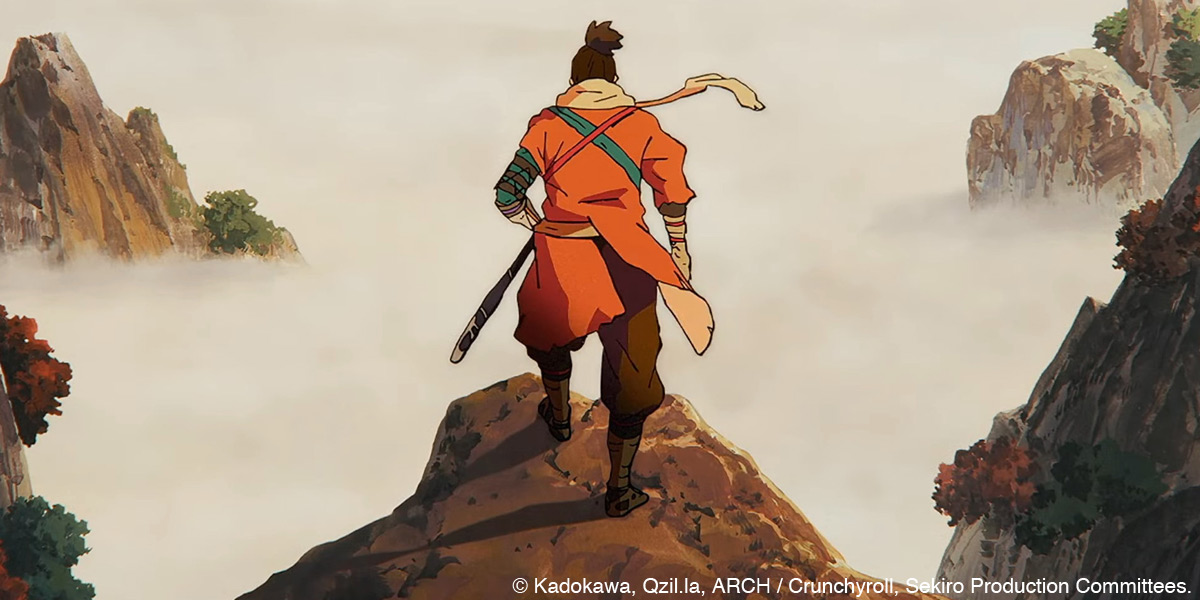
In feudal Japan, there was a land called Ashina. Under threat of invasion, its samurai turned to Kuro, the Divine Heir, and tried to use his special power for their own ends. He is rescued by Wolf, his sole retainer, but learns that his power inflicts a disease of death on others…
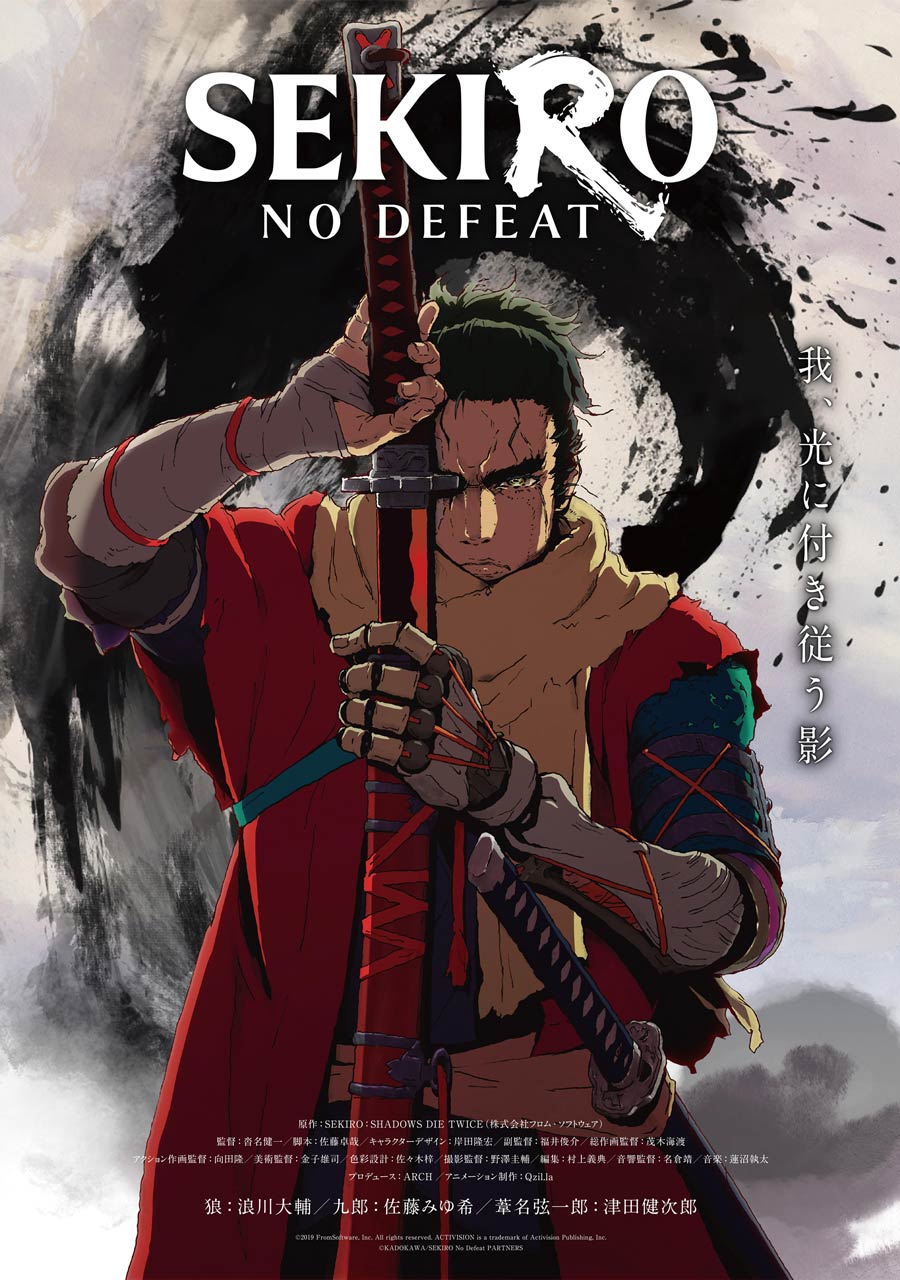
Film credits
Director: Kenichi Kutsuna
Scriptwriter: Takuya Sato (based on SEKIRO: SHADOWS DIE TWICE by FromSoftware, Inc.)
Art director: Yuji Kaneko
Action animation director: Takashi Mukouda
Production: Qzil.la, ARCH Inc., and KADOKAWA Corporation
Music composer: Shuta Hasunuma
Sound designer: Kiyotaka Kawada
Running Time: 1 h 47 min
Sekiro: No Defeat is a Japanese anime feature film based on Sekiro: Shadows Die Twice, a mega-hit video game with worldwide cumulative sales exceeding 10 million copies. Throughout the film, katana sword-fighting battles unfold at a breakneck pace, and by making full use of the magic of animation, the film has been crafted into a major action epic that depicts these scenes in a fast-paced, aggressive, and dynamic manner. The film had its world premiere at the Annecy International Animation Film Festival 2026 as part of the special screening programme, Midnight Specials. We interviewed director Kenichi Kutsuna and producer Tetsushi Suzuki.
Interview with Kenichi Kutsuna and Tetsushi Suzuki
Hideki Nagaishi (HN): How did this film project get started, and what was your initial impression of the project when you first heard about it?
Tetsushi Suzuki: The project began in 2021, when Qzil.la and ARCH started discussing the idea of creating an animated film together with Director Kenichi Kutsuna. At that time, Kutsuna-san’s studio, STUDIO BETTA, had not yet been established.
During our discussion regarding what kind of project we should make, the video game Sekiro: Shadows Die Twice came up in conversation, and we ended up sharing the opinion, “Why don’t we apply for the film rights to make an animated adaptation of Sekiro: Shadows Die Twice?”
Kenichi Kutsuna: Initially, I was approached with something along the lines of, “Would you have a bit of interest in depicting ‘chanbara’*1?”, and I replied, “If it’s ‘chanbara’, there are many things I’d like to explore through animation.” After that, I learned that it was an animated adaptation project of the video game Sekiro: Shadows Die Twice.
In fact, I had long found the word ‘chanbara’ itself extremely compelling. Japanese anime tends to depict ‘chambara’ that prioritise visual spectacle above all else, so I have long wanted to depict ‘chambara’ as a brutal, life-or-death battle that adheres more closely to the movements of samurai swordsmanship. Hence, I remember thinking, “This is a great opportunity.”
*1: ‘Chanbara’ is a Japanese term referring either to sword-fighting scenes involving katana combat or to Japanese period dramas that feature such scenes.
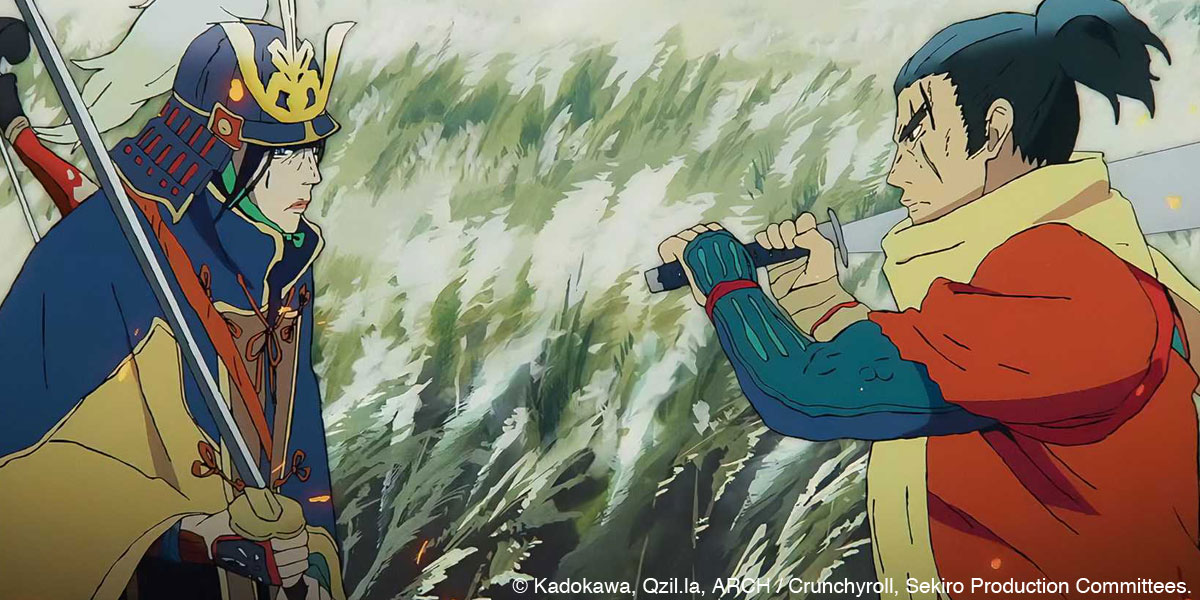
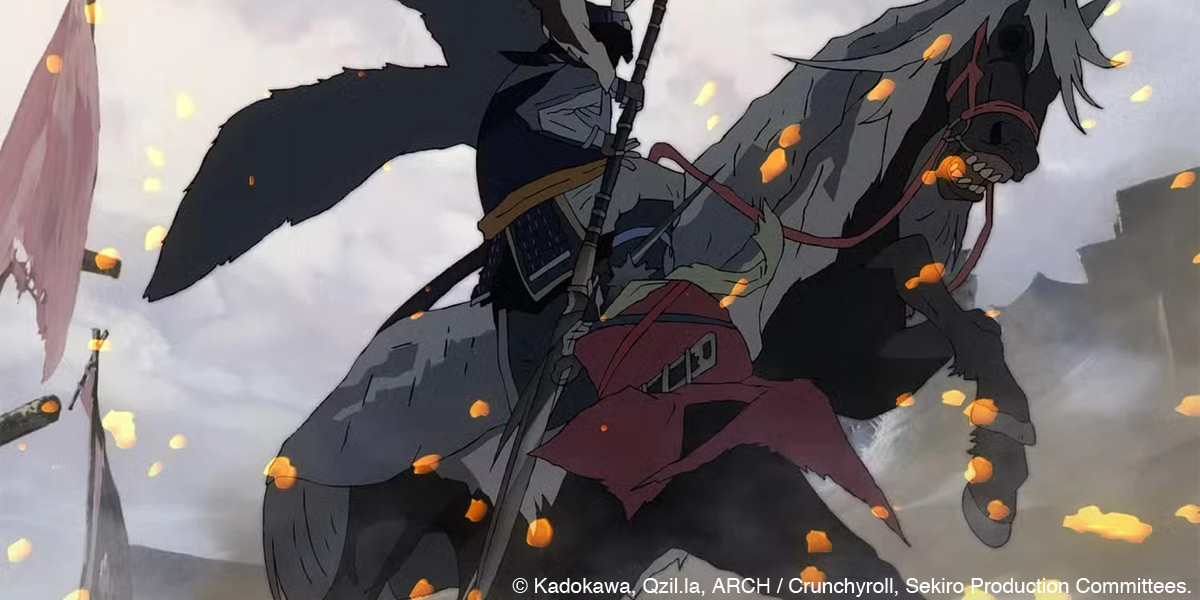
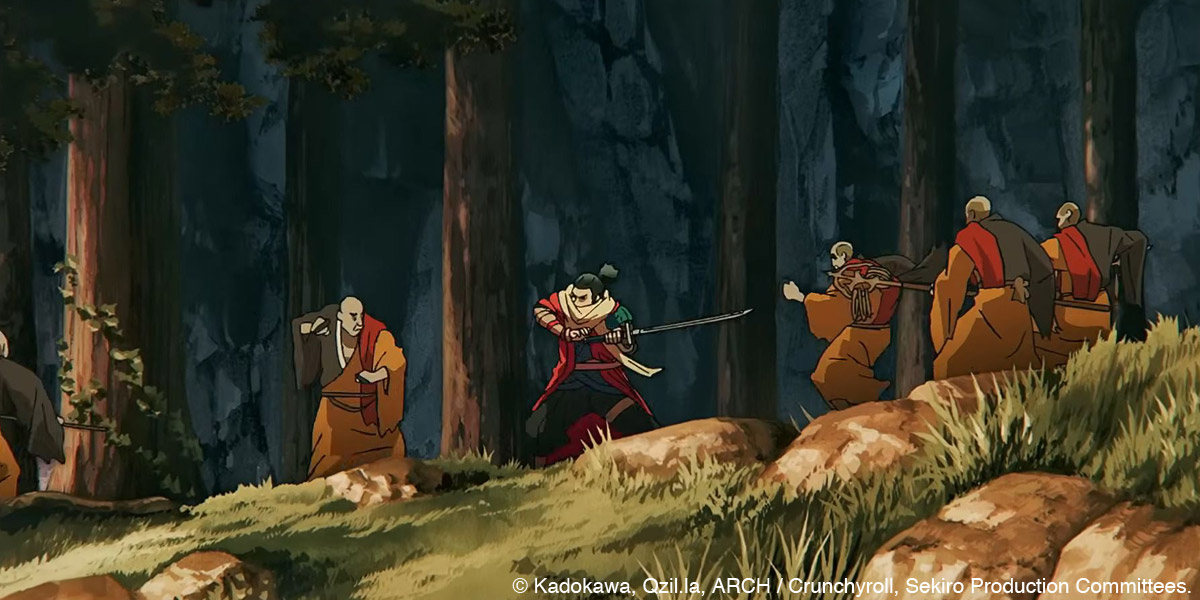
HN: Could you please let us know about any particular points you focused on or aspects you paid special attention to when developing the film’s story with screenwriter Takuya Sato based on the original game’s narrative?
Also, could you tell us how Sato-san came to join the project as screenwriter?
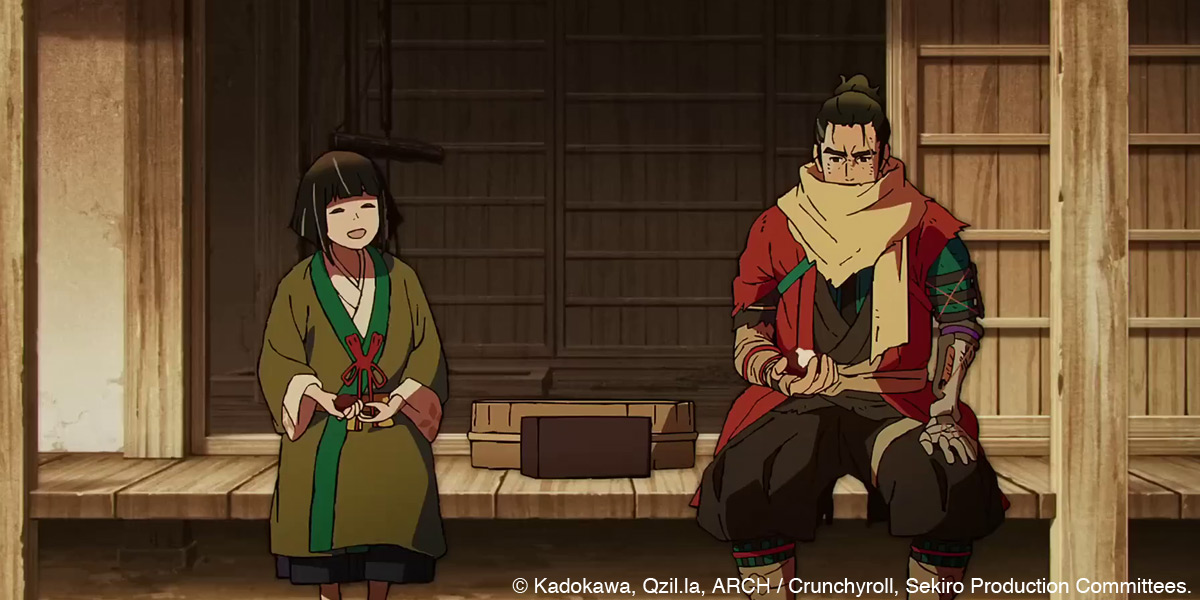
Kenichi Kutsuna: Sekiro: Shadows Die Twice contains many different narrative elements, but when adapting it into an animated feature film, I felt that the story should focus more deeply on the relationship between the two central characters, Wolf and Kuro.
Wolf is not a particularly talkative character, and, in fact, very few characters in this film verbally articulate their emotions. Therefore, one of our greatest challenges was figuring out how to convey delicate emotional nuances of characters who rarely speak in the story.
Having seen Sato-san’s previous works, I felt that he excells at portraying character emotions with great care. In particular, I admired his ability to depict scenes in which complex, unspoken emotions are exchanged, and to portray relationships in which the characters’ genuine feelings fail to get across — causing them to grow apart or fail to understand each other — precisely because of their good intentions.
When we first met and spoke in person, we discovered that our views to the film project aligned remarkably well. I came away feeling that Sato-san was exactly the person I could trust to handle the subtle emotional expression required by this film’s reserved characters, and so I asked him to join the project as screenwriter.
HN: I think that the character designs have an edgy aesthetic that appeals to adult audiences. At the same time, I felt that the visual approach to the characters is somewhat removed from current mainstream trends in the Japanese anime industry. Could you please tell us about your intentions behind the character designs? I would also like to hear how Takahiro Kishida, who served as the character designer, came to be involved in the project.
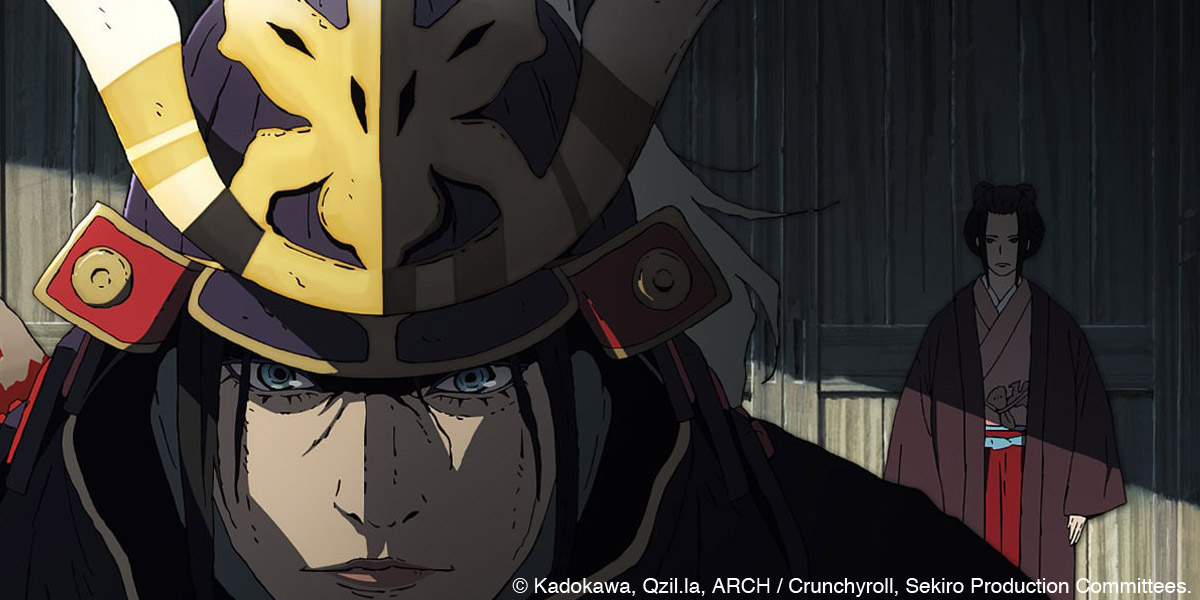
Kenichi Kutsuna: Because most of the characters in this film speak very little, their emotions need to be communicated through subtle details such as the angle of an eyebrow, the direction of a gaze, or slight movements of the mouth. And it is considerably more difficult to achieve that level of nuanced emotional expression through animation if we pursue the same photorealistic visual style as the original video game.
Moreover, I find manga and illustrations that utilise lines to convey visuals with a high density of information more appealing, such as works stemming from the traditions of shōjo manga and gekiga*2. So, I wanted the film to be depicted with character designs by Kishida-san.
In recent Japanese anime works, I see a tendency for character designs to be simplified and symbolised to accommodate large-scale production involving many animators. By contrast, characters drawn by Kishida-san contain a rich amount of visual information, from eyes and eyelashes to scars and other facial details. His line work also contains intentional ambiguity and negative space, all of which contribute to a far wider range of emotional expression. Hence, while his character designs are admittedly challenging to animate, they allow us to aspire to a higher level of emotional expression precisely because of that.
When I was younger, I belonged to the animation studio SATELIGHT, where Kishida-san was also working. I had many opportunities to speak with him and learned a tremendous amount from him. He is one of the animators I respect most, and I had always hoped we would have the chance to work together again someday. This project finally made that possible.
*2: ‘Gekiga’ is a Japanese manga genre that emerged to distinguish itself from children’s manga. It is characterised by realistic character proportions, detailed line work, and serious human drama.
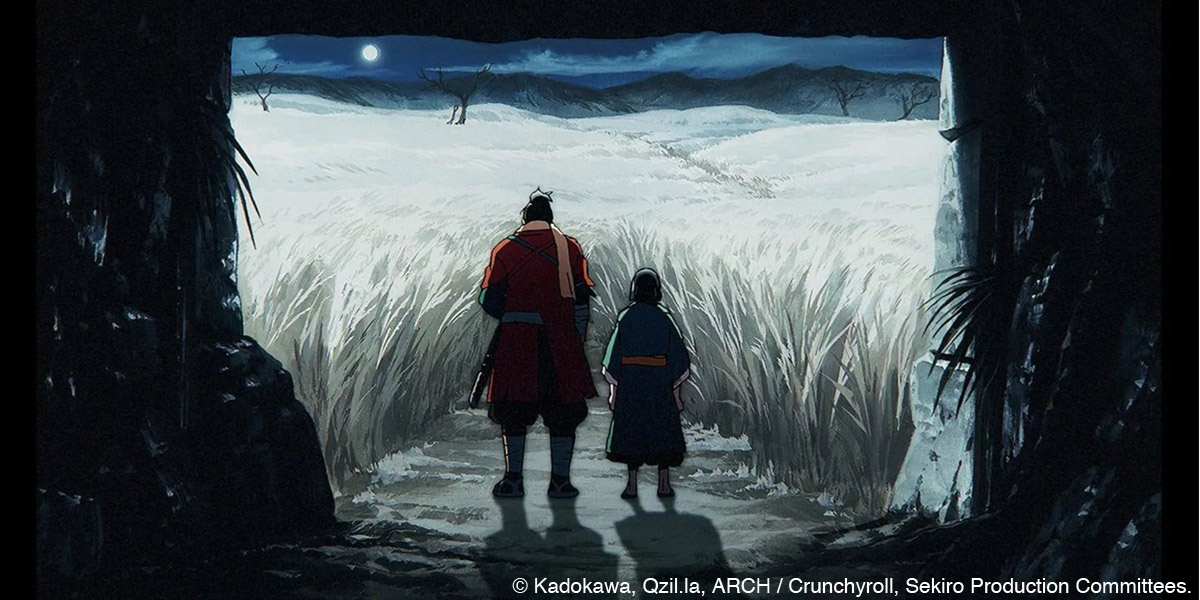
HN: The film’s highly detailed background art was very impressive, creating a variety of atmospheres that evolve with the story, from exhilaration and mystery to tranquillity. How did you and art director Yuji Kaneko build the visual world of the film?
Kenichi Kutsuna: I was thinking of asking someone from the artistic lineage of Ogura Koubou, one of Japan’s most renowned studios focusing on background art, to join this film project as the art director from the beginning of the project. It was because we needed artwork capable not only of depicting intricate details but also of conveying the atmosphere and feeling of the story’s universe.
Actually, Kaneko-san’s mentor is Hiromasa Ogura, the founder of Ogura Koubou, and I had already been a fan of Kaneko-san’s work. Therefore, once I learned that he had joined the project, I wanted to incorporate the full range of expressive possibilities that his art could bring to the film.
During creative discussions between Kaneko-san and me, I mentioned Ninja Scroll as a reference point, but I did not provide many detailed instructions. It was because Kaneko-san is the kind of craftsman who communicates through completed paintings. Furthermore, merely by looking at my storyboards, he understood my intentions and grasped the essence of the film’s story, then created the visual solutions that best served it. I consider myself truly fortunate to have been able to create this film in such an environment.
HN: I’d like to hear about the action scenes, one of the film’s major attractions. Could you please tell us about the production process behind the action sequences and the contributions of Takashi Mukouda, the film’s action animation director?
Kenichi Kutsuna: Qzil.la, the film’s production studio, introduced Mukouda-san to me. Several of Qzil.la’s staff previously worked at Production I.G and worked with Mukouda-san on anime titles including Haikyu!!.
Actually, Mukouda-san is a passionate fan of the video game SEKIRO, who has been spending a great deal of time playing it, so he actively proposed ideas regarding the film’s action sequences to me.
Through our repeated meetings and exchanges of ideas, Mukouda-san reinterpreted the concepts I presented to him in the storyboards and developed them into entirely new forms. The level of completion of all the action sequences in the film steadily increased through that accumulation.
HN: Did having Mukouda-san participate as action animation director lead to any new discoveries or memorable experiences for you personally?
Kenichi Kutsuna: There were some differences between Mukouda-san’s view of action and my own, in a good way, and I think those differences blended together very effectively.
I felt that some portions of my initial action concepts were not always easy for audiences to follow, and Mukouda-san transformed them into clearer and more exciting action scenes.
I often found myself looking at the animation he drew and thinking, “So this is how he decided to present it. It’s brilliant and wonderful.”
HN: I’d like to ask you about the music in the film. What was your vision for the score, and how did you collaborate with composer Shuta Hasunuma? Also, are there any particular aspects of the film’s music that you would like audiences to pay special attention to?
Kenichi Kutsuna: Like several of the other key staff members, Hasunuma-san understood my creative intentions without needing extensive explanation.
In many contemporary films, I feel music is often used to reinforce the emotions of the characters in each scene, such as playing sad music during a sad moment. However, I did not want to steer the audience’s emotions through music.
For that reason, I told Hasunuma-san that I wanted music appropriate to the environment and setting of each scene, rather than music that explains the characters’ feelings. His compositions are more focused on handling texture and rhythm with exceptional delicacy rather than strongly stirring up a specific emotional response. That characteristic suited this film perfectly.
As for the sound effects, sound designer Kiyotaka Kawada took great care to design them in such a way that they would function effectively within a cinematic work, whilst respecting the memorable soundscapes of the original game.
Furthermore, I was deeply involved in the dubbing and mixing process, particularly in determining how dialogue, sound effects, and music should be balanced and arranged. In some areas, I deliberately departed from conventional practices, so I hope audiences will pay close attention to the film’s sound design as well.
Whilst the voice cast features the same actors as in the original game, sadly, Takaya Hashi, who portrayed Owl, passed away during the production of this film. It was a truly honour to have had the opportunity to work with him.
HN: Is there anything in particular you would like audiences to pay attention to when watching the film?
Kenichi Kutsuna: This work is essentially a story centred on the relationship between Crow and Wolf. The two are forced to confront an exceptionally harsh fate, and I hope audiences will simply immerse themselves in seeing what decisions they make and what conclusion they ultimately reach.