
“Julián”
Synopsis
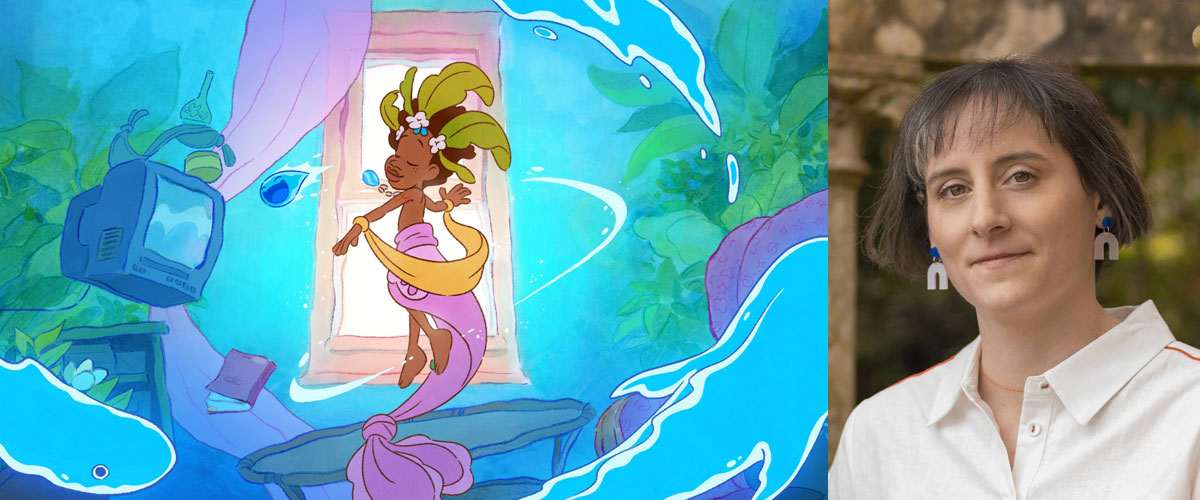
Julián is a joyful, visually rich animated adventure about a seven-year-old boy who spends a transformative summer with his estranged Abuela (Grandmother) in Brooklyn. Inspired by her magical storytelling and the world around him, Julián dreams of becoming a mermaid — sparking a dazzling journey from the borough’s sunlit streets to the mystical depths of the sea.
Film credits
Director: Louise Bagnall
Co-Directors: Guillaume Lorin and Mark Mullery
Scriptwriter: juliany taveras (Adaptation from Julián is a Mermaid by Jessica Love)
Art director: Emilie Bach
Production: Cartoon Saloon
Co-production: Sun Creature, Aircraft Pictures, Mélusine Production, and Wychwood Media
Composer: La-Nai Gabriel
Running Time: 1 h 25 min
Julián is the latest film from Cartoon Saloon, well known for its Oscar-nominated feature films such as Wolfwalkers, The Secret of Kells, Song of the Sea, and The Breadwinner. It is based on the bestselling picture book Julián Is a Mermaid by Jessica Love.
Directed by Louise Bagnall, known for her Oscar-nominated short Late Afternoon, and written by Dominican-American writer juliany taveras, the film presents a thoughtful story with the full magic of animation as a viusal storytelling medium. It tells a coming-of-age story centered on Julián, an imaginative and sensitive boy, while highlighting themes of gender expression, cultural identity, and self-acceptance.
Julián is set to have its world premiere at the Annecy International Animation Film Festival 2026 as an official selection in the Annecy Presents.
We interviewed Louise Bagnall, the director, about the film and the story behind it.
Interview with Louise Bagnall
Hideki Nagaishi (HN): What messages or emotional experiences do you particularly hope to convey to the audience through this film?
Louise Bagnall: First and foremost I really want people to enjoy watching the film! It’s a celebratory story of self-expression and connection, so I hope that the audiences come away feeling that joy. Julián’s journey, for all its specificity is a very relatable one, and perhaps a reminder to give grace to one another, especially during formative times.
HN: Are there any particular aspects of the film that you would especially like audiences to pay attention to while watching it?
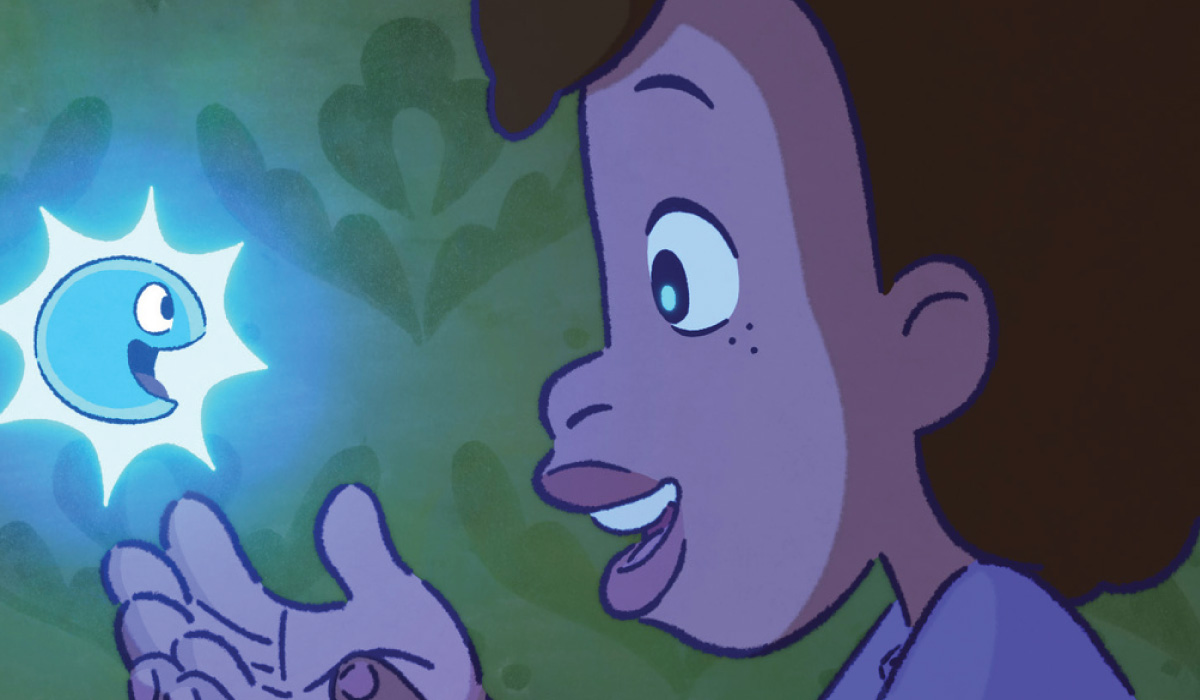
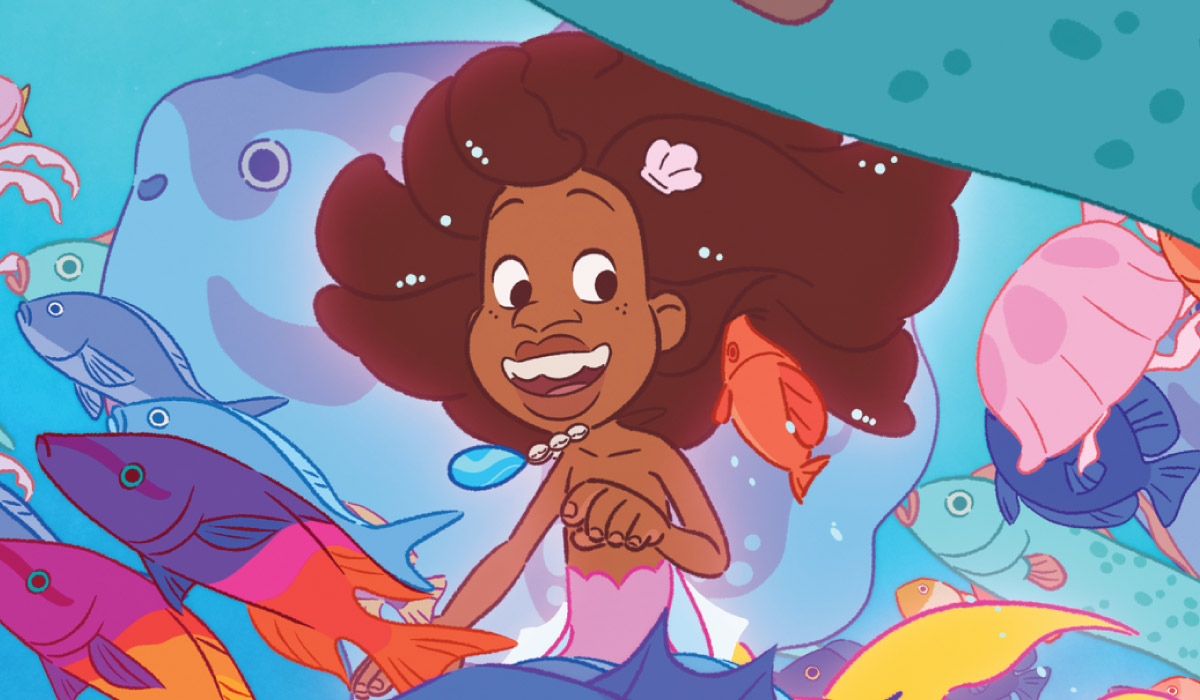
Louise Bagnall: We really wanted to see the world from Julián’s perspective – a reflection of his excitement and curiosity! We therefore put a lot of thought into the camera, the character performances and the visual look to honour this idea. Each background was drawn and painted on paper bringing the warmth of human touch to every scene. I hope that audiences feel the care and attention that was poured into every moment.
HN: What drew you most strongly to Jessica Love’s Julián Is a Mermaid?
Could you please also let us know about your initial thoughts or visions on how to depict it through animation, considering its qualities as a visual storytelling medium?
Louise Bagnall: Upon opening the book for the first time, I knew it was special. It is full of imaginative, gorgeous illustrations with lovingly portrayed characters and a meaningful story. Ultimately what really spoke to me was the way the story was told – not dictating to the audience, but leaving space for interpretation, allowing the reader to reflect on their own assumptions or experiences. It felt like there was a deep well of meaning and themes that could be explored further in a film.
Adapting a book as beautiful as this required careful consideration. I talked with Jessica about where her own inspiration and research had come from, which in turn informed our own process. I felt that it was important especially to hold onto the believability of the characters. We needed to feel like Julián, Abuela and everyone on the block, could be real people, with real emotions and rich inner lives. The characters therefore were designed to allow for expressive animation that feels tactile and substantive.
HN: I would like to ask about the development of the film’s story together with the screenwriter, juliany taveras.
During this process, what aspects did you pay the most attention to, and why? What parts were particularly challenging, and which achievements did you feel especially attached to?
Louise Bagnall: When telling this story it was important to keep Julián at the centre of the film. We had to reconnect with our inner child and not get sucked into an adult point of view! By going on the journey with Julián we get to feel what he feels. This allowed us to explore his inner world, his imagination and discover magical connections alongside him.
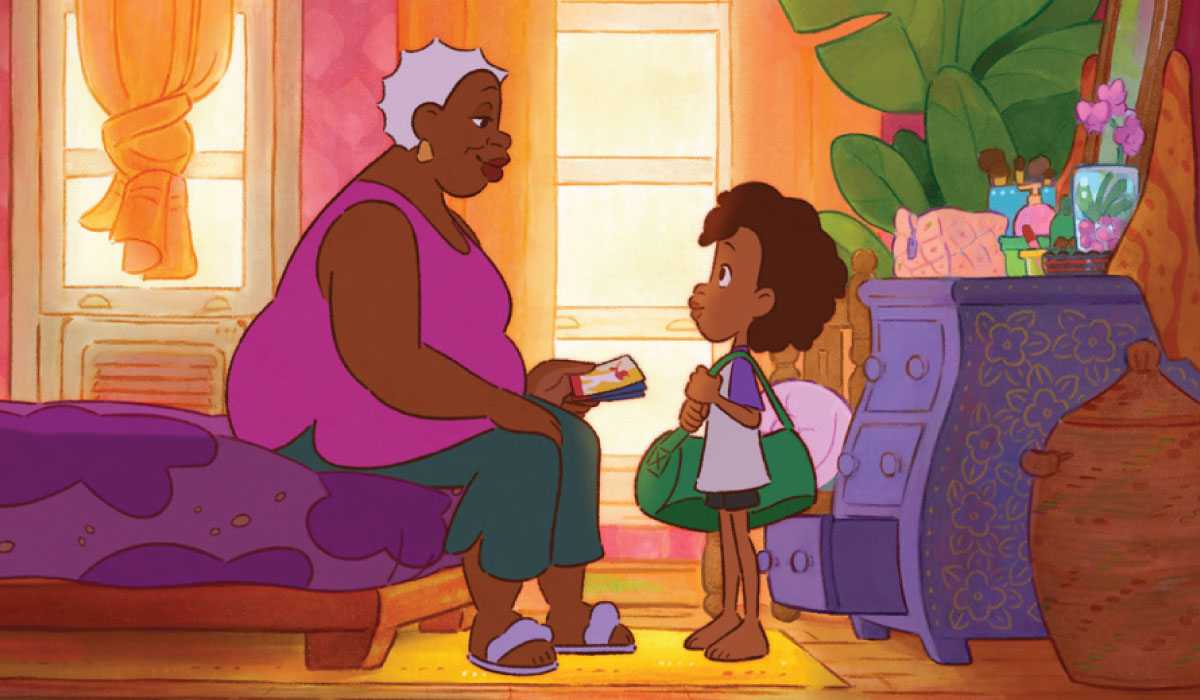
Another key aspect was the relationship between Julián and Abuela. We worked hard to track how their relationship develops so that it felt authentic, fun and heartfelt. Abuela’s own journey had to work in tandem with Julián. Delving into her memories allowed us to tell a more expansive story and provided Julián with a chance to learn more about his own heritage. But it was tricky to find the right balance between their dual narratives. The solution we arrived at was more like folding them together – Julián and Abuela are really a catalyst for each other.
HN: How was your collaboration with juliany taveras overall? What aspects of their writing and creative approach did you find especially impressive?
Among their contributions to bringing the original book into the world of animation, which elements did you find particularly compelling?
Louise Bagnall: Working with juliany was such a wonderful experience. As soon as we got to sit down together, it felt easy to discuss the big, deep topics that underpin so much of what the film is about. Between drafts of the script, juliany, myself and co-director Guillaume Lorin would spend a time discussing notes and brainstorming for the next draft. These ‘story sessions’ were a key part of the process.
One of the fantastic things about working with juliany was their ability to not just bring the characters to life on the page, but to add detail, specificity and authenticity to every scene. As I read the script, it was easy for me to picture the scene and imagine how to go about bringing them to the screen!
HN: Could you please tell us how you achieved the vivid and imaginative visual storytelling in the film, including the design, color, movement, and camera work, while highlighting the key points you focused on?
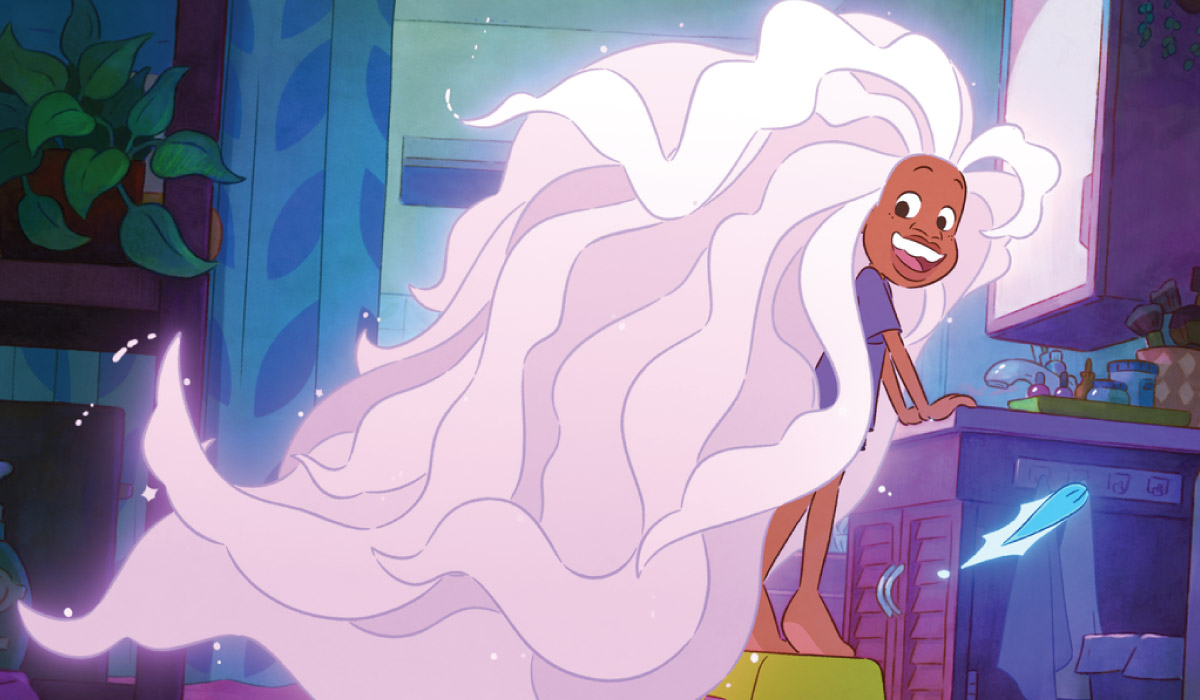
Louise Bagnall: Considering Julián’s journey is such a creative one, it felt only right to honour that with the visual approach. I wanted his imagination to leap off the screen, while also feeling like an integral part of the storytelling. That process starts with storyboarding, choosing the right moment for dynamic cameras and knowing when to keep it simple. My art director, Emilie Bach, understood how colour could help us tell the story too. She worked on making detailed colour keys which really solidified the world and heightened the emotional arcs.
Depicting Brooklyn as Julián sees it was something we returned to again and again. We wanted to capture its beauty without making it feel too pristine. I love the texture and tactile nature of Abuela’s apartment, her neighbourhood and further afield.
HN: Could you please share some behind-the-scenes stories about the creation of the film’s music, including your collaboration with the composer, La-Nai Gabriel?
Louise Bagnall: During the film, Julián is learning about his culture and music plays a big part in that! It also helped to convey the feeling of a long hot summer in Brooklyn – reggaeton drifting out of an open window, speakers at the pool blasting bachata, and Cuban jazz playing in the local deli.
With the score, La-Nai had the challenge of tying all those needle drops together as well as creating music that would resonate with the emotional journey of our characters. For the instrumentation, La-Nai took inspiration from the cultural roots of the film – we didn’t have a big, full orchestra and instead focused on pared back arrangements. I really enjoyed working with La-Nai, she understood the film from the very start of our collaboration and knew how to elevate the important moments!