
“We Are Aliens”
Synopsis
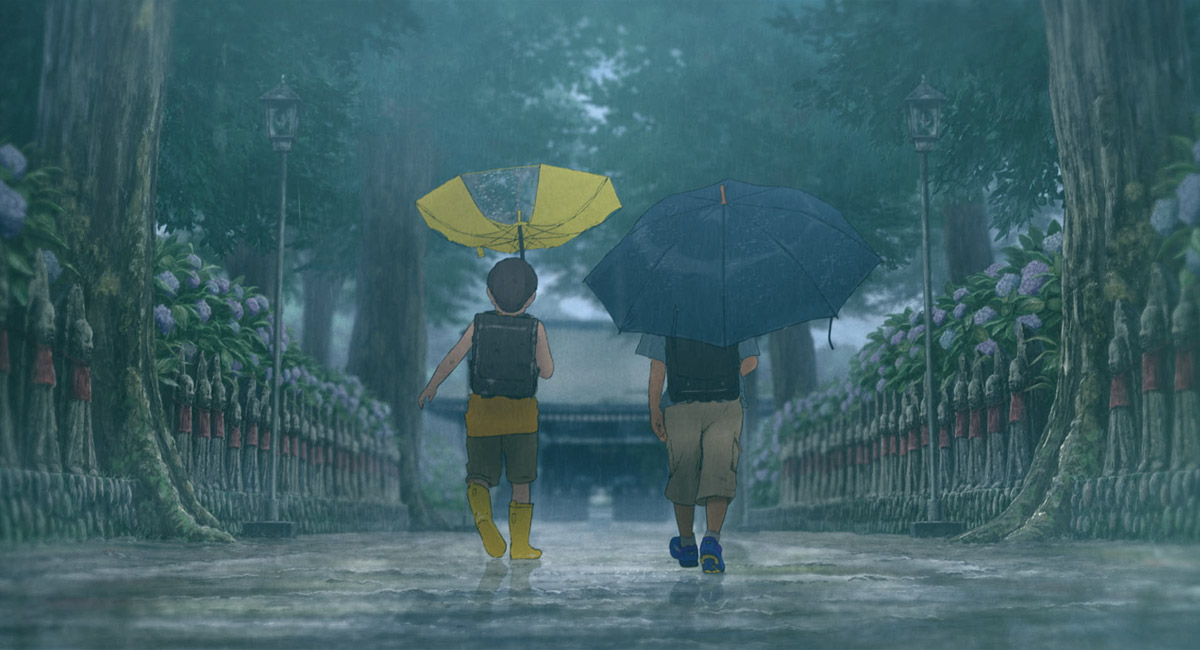
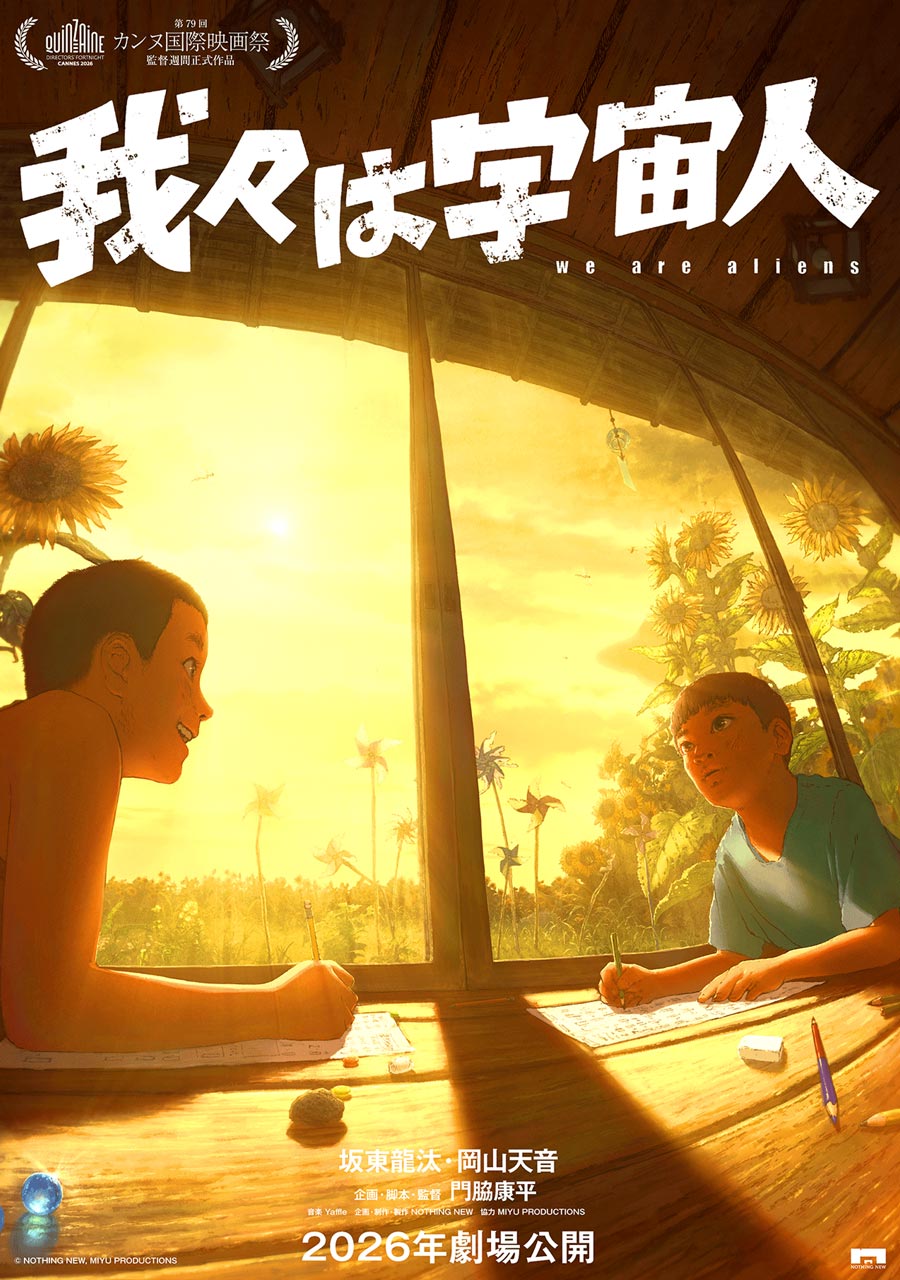
“Hey — what if I told you I am an alien?” In a small Japanese town, an ordinary boy’s quiet betrayal sets in motion something he will spend the rest of his life trying to forget.
Film credits
Director, scriptwriter, storyboarder: Kohei Kadowaki
Editors: Kohei Kadowaki and Kenichiro Tachikawa
Music: Yaffle
Producers: Kentaro Hayashi (NOTHING NEW Japan), Yuuri Shimojo (NOTHING NEW, Japan), Emmanuel-Alain Raynal (Miyu Productions, France), and Pierre Baussaron (Miyu Productions, France)
Running time: 1 h 57 min
We Are Aliens is a delicate and melancholic 2D animated feature created, which had its world premiere in the Directors’ Fortnight section at the 2026 Cannes Film Festival.
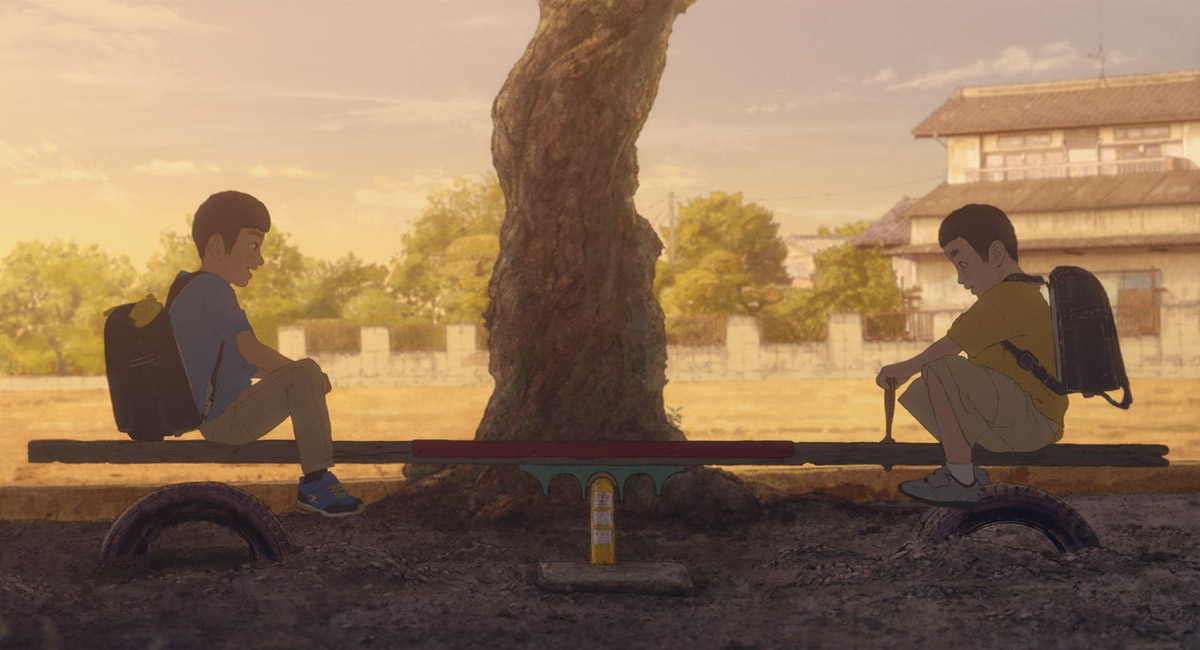
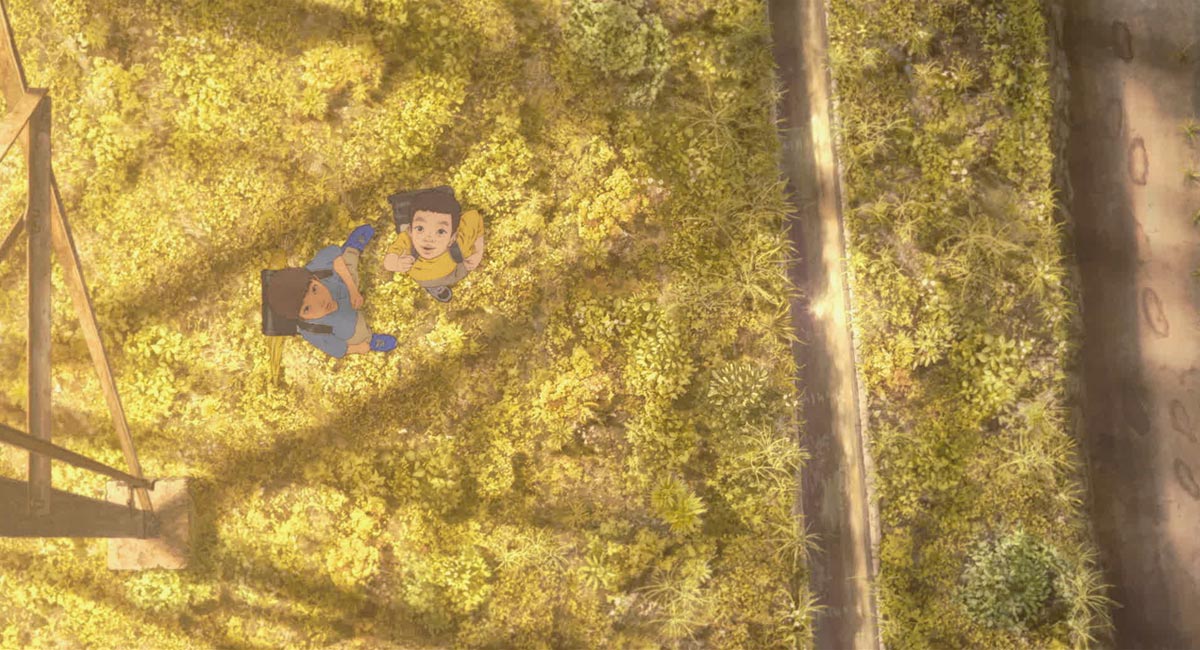
In striking contrast to its delicate, luminous visual style, brought to life through finely crafted background art, we encounter the harsh and unforgiving nature of human relationships, the difficulties of communication, and the long-term, often hopeless effects these challenges can have on one’s life.
Beyond themes rooted in Japanese society, such as conformity pressure, adolescent struggles, and parent–child relationships, the narrative also explores a range of internationally resonant issues: the tension between self-preservation and honesty, the merciless repercussions of a single misunderstanding, bullying, and the profound, lasting impact of social exclusion on an individual’s life.
At the same time, it is by no means a tale of despair, as the story offers a bittersweet portrayal of a society that continues to embrace diverse ways of life, as well as the resilience required to survive amidst such complexity.
We Are Aliens will be screened at Annecy International Animation Film Festival 2026 in the official competition.
We interviewed Kohei Kadowaki, the director and author of the film, about the story behind its creation.
Interview with Kohei Kadowaki
Hideki Nagaishi (HN): Where did the initial idea for the film’s story come from? And why and how did you decide to develop it into an animated feature film?
Kohei Kadowaki: The starting point for the idea came from my own childhood memories of growing apart from friends during elementary and middle school. I decided to turn it into an animated film out of a strong desire to transform those personal memories into entertainment that could reach and resonate with many people.
HN: During the development of the film’s story, what did you focus on most, and what were the challenges?
Kohei Kadowaki: I spent a great deal of time thinking about how to make the film into entertainment that anyone—regardless of age or gender—could enjoy. Over the course of two hours, the story follows the lives of these two boys through many different events, and I struggled with the screenplay until the very end to ensure that audiences would remain fully engaged throughout the film.
HN: What research, analysis, and careful considerations did you undertake in portraying the inner and outer lives of the main characters?
Kohei Kadowaki: For the characters’ inner lives, I drew not only from my own memories, but also from interviews I conducted with dozens of people around me. Several specific episodes in the film were inspired directly by those conversations.
As for the external aspect of the animation—the movement—I was particularly focused on capturing the kind of unnecessary, restless motions that are unique to children. To achieve this, we repeatedly filmed child actors whose physiques were similar to the characters, gathering reference footage so that we could closely observe the movements for nearly every shot.
For the adult characters, the animation was based on movements performed by myself and the actors, which we then used as references for the drawings.
HN: To which age groups and segments of society do you particularly wish to address the meaning of childhood and adolescence within a long life, as well as the impact of past words and actions accompanied by regret and their negative consequences?
Kohei Kadowaki: I did not make this film for any specific generation or age group. Rather, I was committed to exploring universal emotions that both children and adults carry within them—such as emotional pain, guilt, and regret.
HN: In shaping the visual universe of the film, what were your primary aims and considerations in designing the characters’ visuals, the background art, colour palettes, and overall visual direction?
Kohei Kadowaki: Rather than focusing on rendering the backgrounds or characters in an excessively beautiful or stylized way, I wanted to faithfully depict the events unfolding in front of the viewer. My goal was for the animation, the backgrounds, and the characters to work together as one within each frame, creating a fully unified sense of atmosphere and emotion.
HN: Could you please let us know what you aimed for and what you took care of in terms of the music for the film?
Kohei Kadowaki: Rather than using music simply to guide or manipulate the audience’s emotions, I wanted the music itself to become one with the visuals on screen, so that sound and image would function together as a unified experience.