
Minifauna
Synopsis
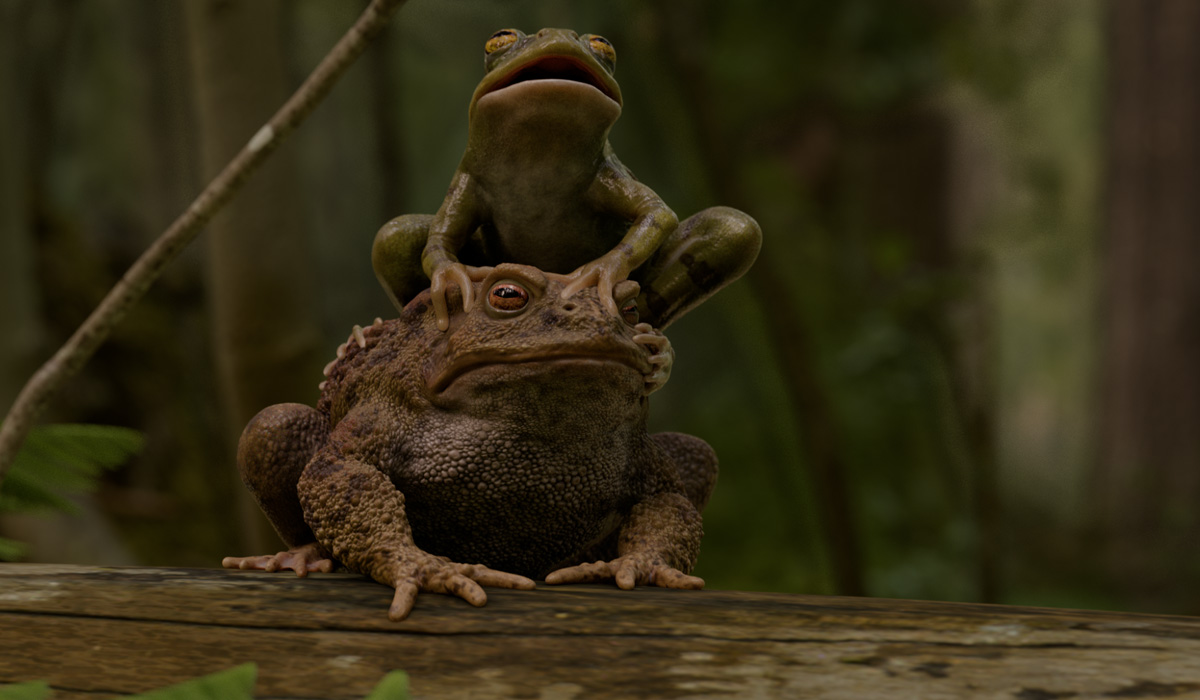
Toad lives next to a picturesque Nordic forest pond. His peace and quiet are constantly thrown into chaos by his neighbours: the overly enthusiastic Newt and the brainless Frog constantly destroy Toad’s dreams of a quiet moment in the sun. Minifauna is a Buster Keaton-style slapstick comedy that has camouflaged itself as a nature documentary.
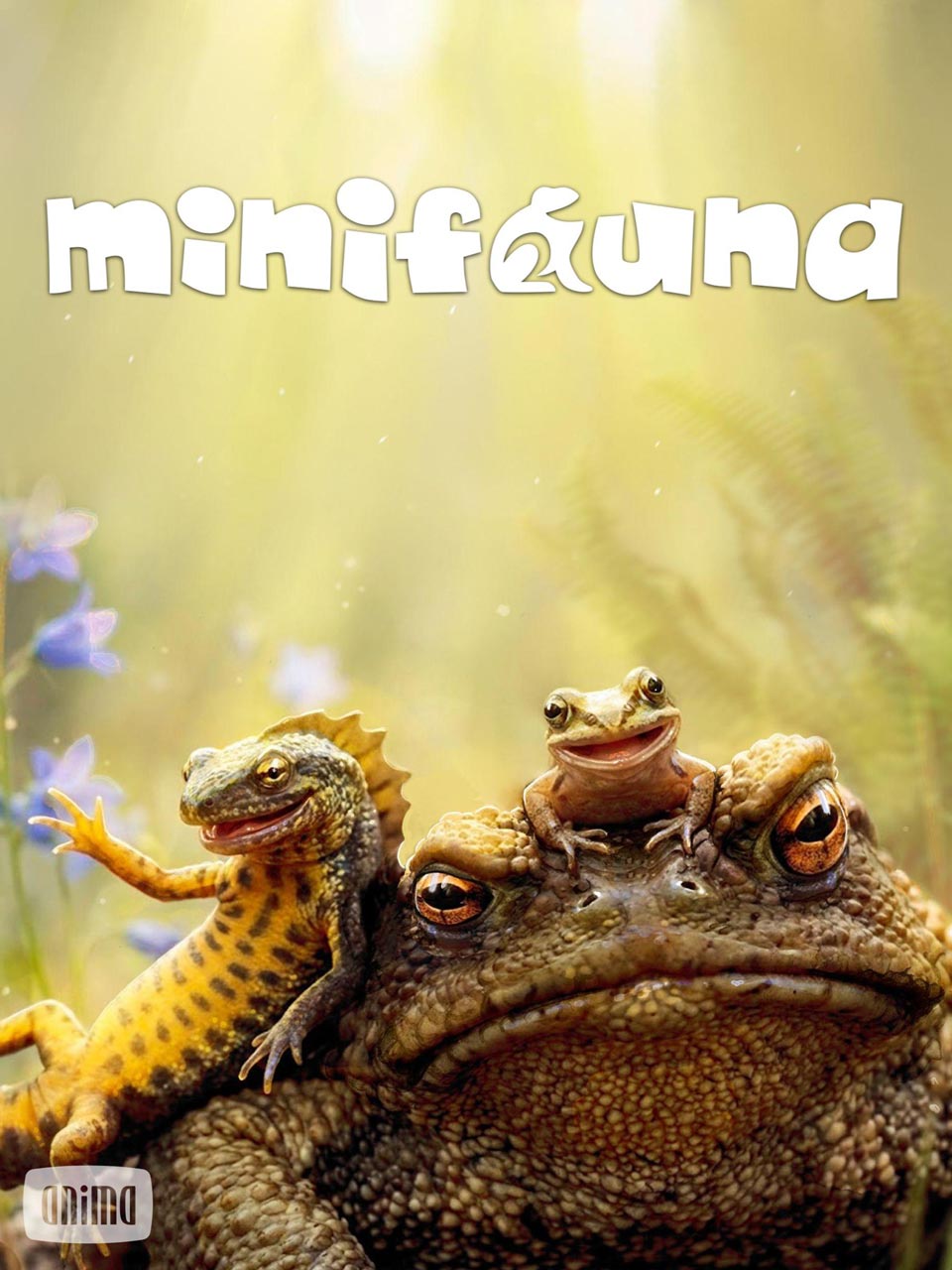
Director and Author: Mariko Härkönen
Producers: Antti Haikala (Anima Vitae, Finland) and Timo Suomi (Anima Vitae, Finland)
Format: 52 X 5’
Target audience: Children 6-9
Techniques: 3D digital
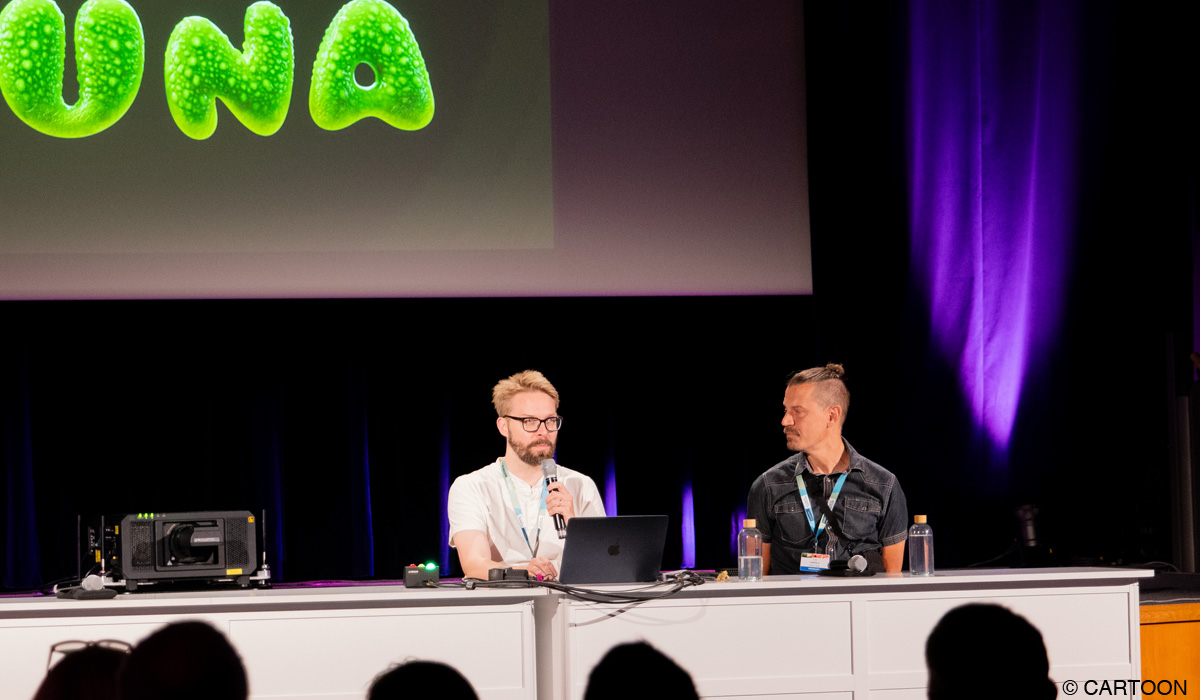
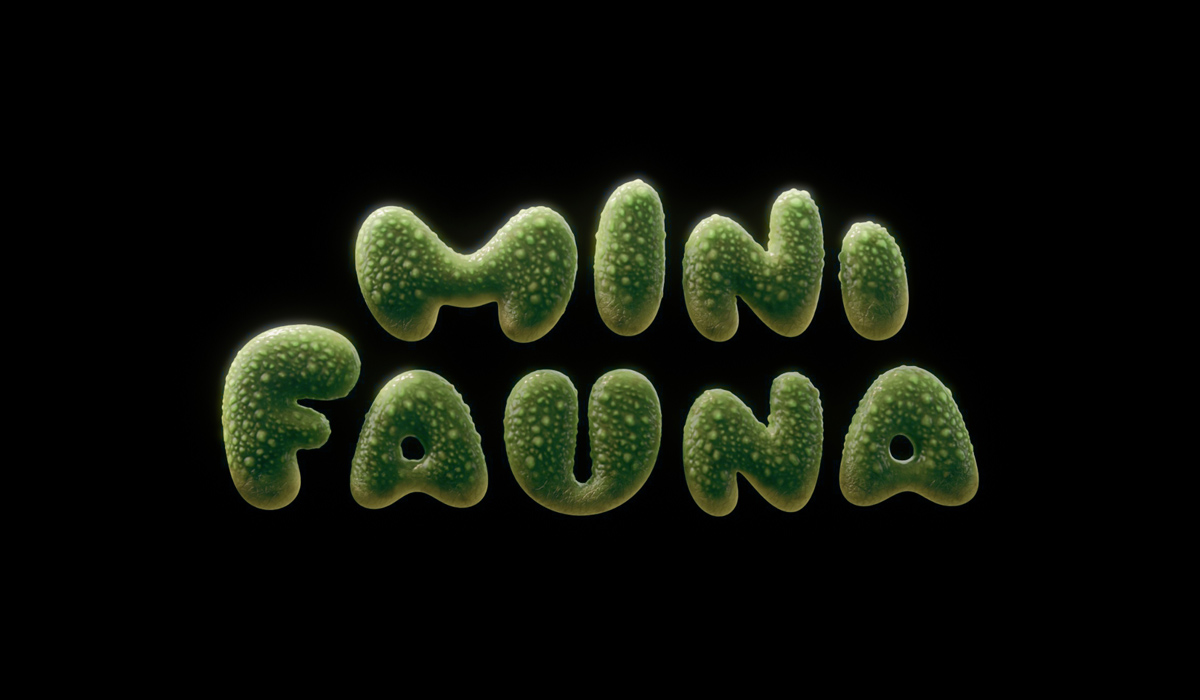
Minifauna is a comedy animated series centring on Toad, Frog, and Newt in a Nordic forest, with a unique visual storytelling approach masquerading as a nature documentary through photorealistic 3DCGI, targeting children aged around 6-9. At Cartoon Forum 2026, animation professionals, including many buyers, could see a quick introduction to the appeal of the series project, including a sneak preview of several scenes with a great sense of humour.
We interviewed Mariko Härkönen, the director and author of the series, about the story behind the project.
Interview with Mariko Härkönen
Hideki Nagaishi (HN): Could you please briefly explain the key aspects of this animated series that you believe will appeal to its target audience?
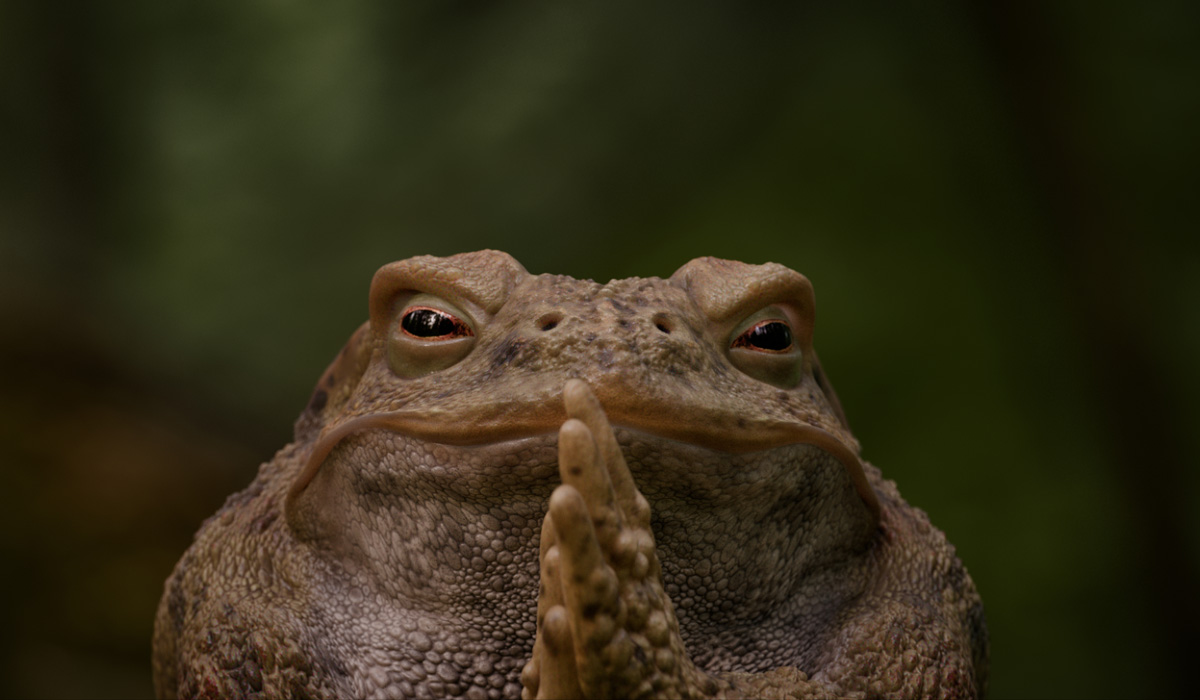
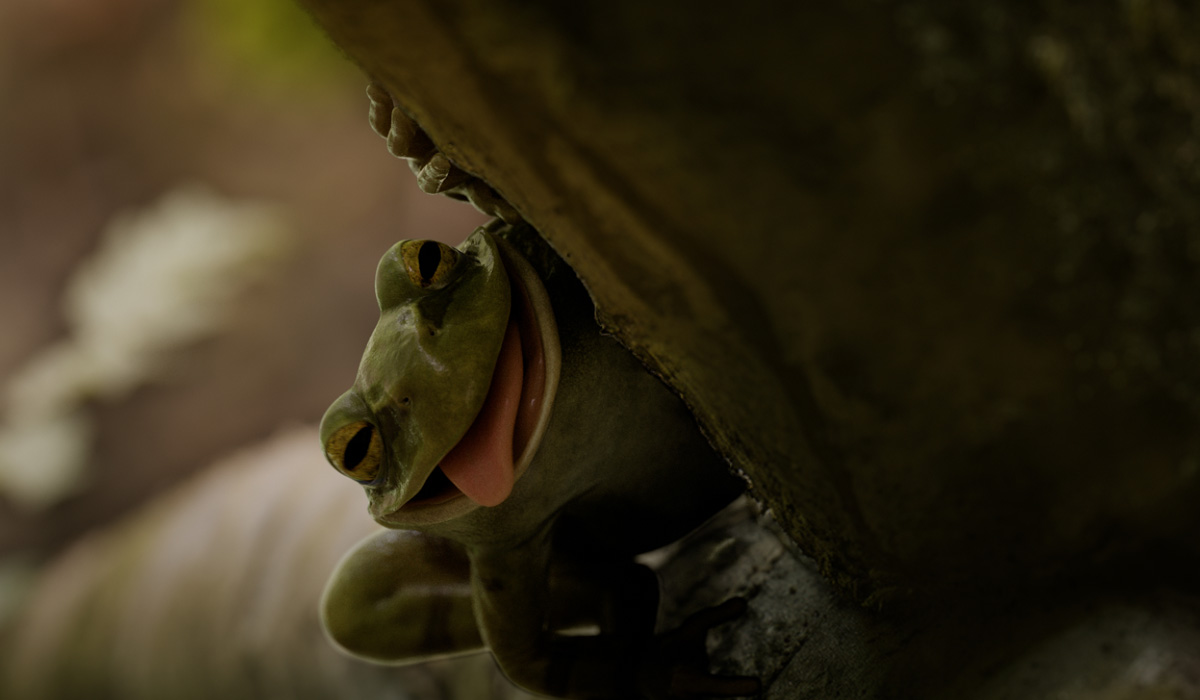
Mariko Härkönen: I hope our characters, Newt, Toad, and Frog, feel sympathetic, even though they’re not pretty and fluffy but rather warty and slimy. They are stupid, greedy, and selfish, and I think it’s easy to laugh at them, and maybe laugh at yourself or at a younger version of yourself.
HN: I’m interested in how this unique animated series project came about. Where did the initial ideas for the story, characters, and visual style come from?
Mariko Härkönen: I got the idea during my morning dog walks in my local forest here in Helsinki. I occasionally spotted frogs and toads in the undergrowth, and I got the idea of Buster Keaton, Stan Laurel, and Oliver Hardy living as amphibians in the forest. They would live in a physically believable world, but they would behave more like comedy characters. That idea eventually evolved into a series concept, which I presented to Antti Haikala.
The visual style was created with the team at Anima Vitae, and I think we shared the same vision for it. They had the experience and skill to bring it to life.
HN: What do you care about most, or pay the most attention to, when developing the story?
Mariko Härkönen: Writing silent comedy comes quite naturally to me. I tend to turn everything into comedy. Still, I want to get feedback from others, especially children, so that I know I’m not the only person laughing in the room. I spend a lot of time making sure the story is comprehensible without words and that the action isn’t too scary. I also want the stories to be based on real natural events, so I’ve had to read a lot about amphibians, reptiles, fish, and forest ecology.
HN: I feel that the visual presentation creates a fascinating synergy between two seemingly contradictory elements: its surreal sense of humour and the elements that spark children’s curiosity about the natural world.
What is the key to achieving this effect?
Mariko Härkönen: That’s nice to hear and well put. I think the surreal sense of humour comes from my background. I spent my childhood in different countries and cultures, so I kind of intuitively know what makes people laugh, regardless of their cultural background. The elements that get children interested in nature come from the production team’s skill in creating photorealistic yet sympathetic-looking and expressive characters, as well as an enchanting, cinematically lit forest.
HN: What aspects of this animated series project have been especially exciting or challenging for you so far?
Mariko Härkönen: I had mainly written and directed stop-motion productions before this, so the teaser was my first 3D production. Almost everything has been exciting because it’s a completely different way of making things. Anima Vitae also chose an ambitious and challenging production technique, creating the animation backgrounds by modelling a real forest, but they succeeded thanks to their experience and skill.