
Synopsis
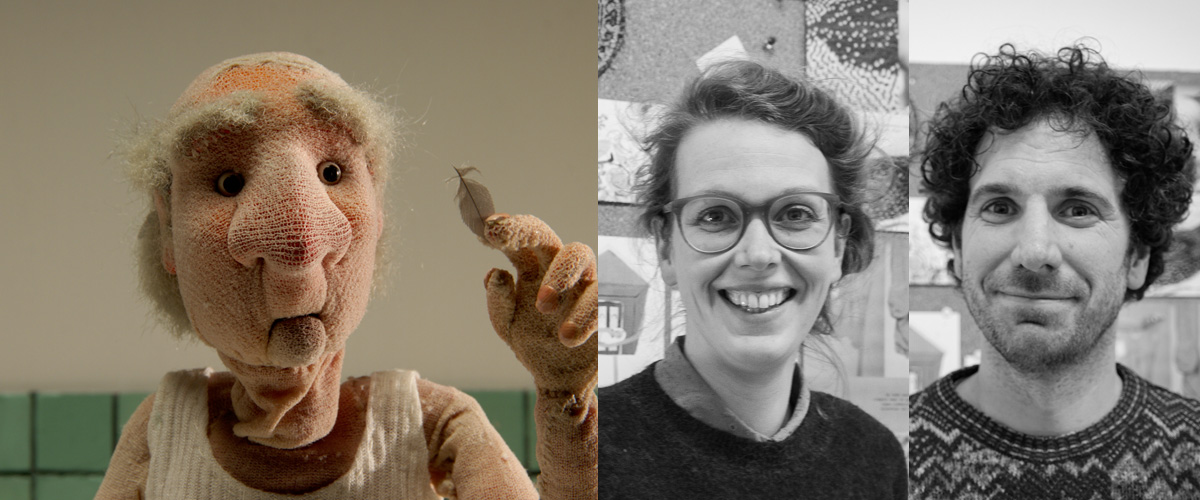
Piet, a quiet resident in a nursing home, starts to experience peculiar changes: feathers sprout in his hair, an unfamiliar lightness in his limbs and his words gradually turn into soft chirps and whistles. Though life around him remains unchanged, Piet senses a profound shift within. While his community still embraces him, he feels it may be time to join a new flock.
Film credits
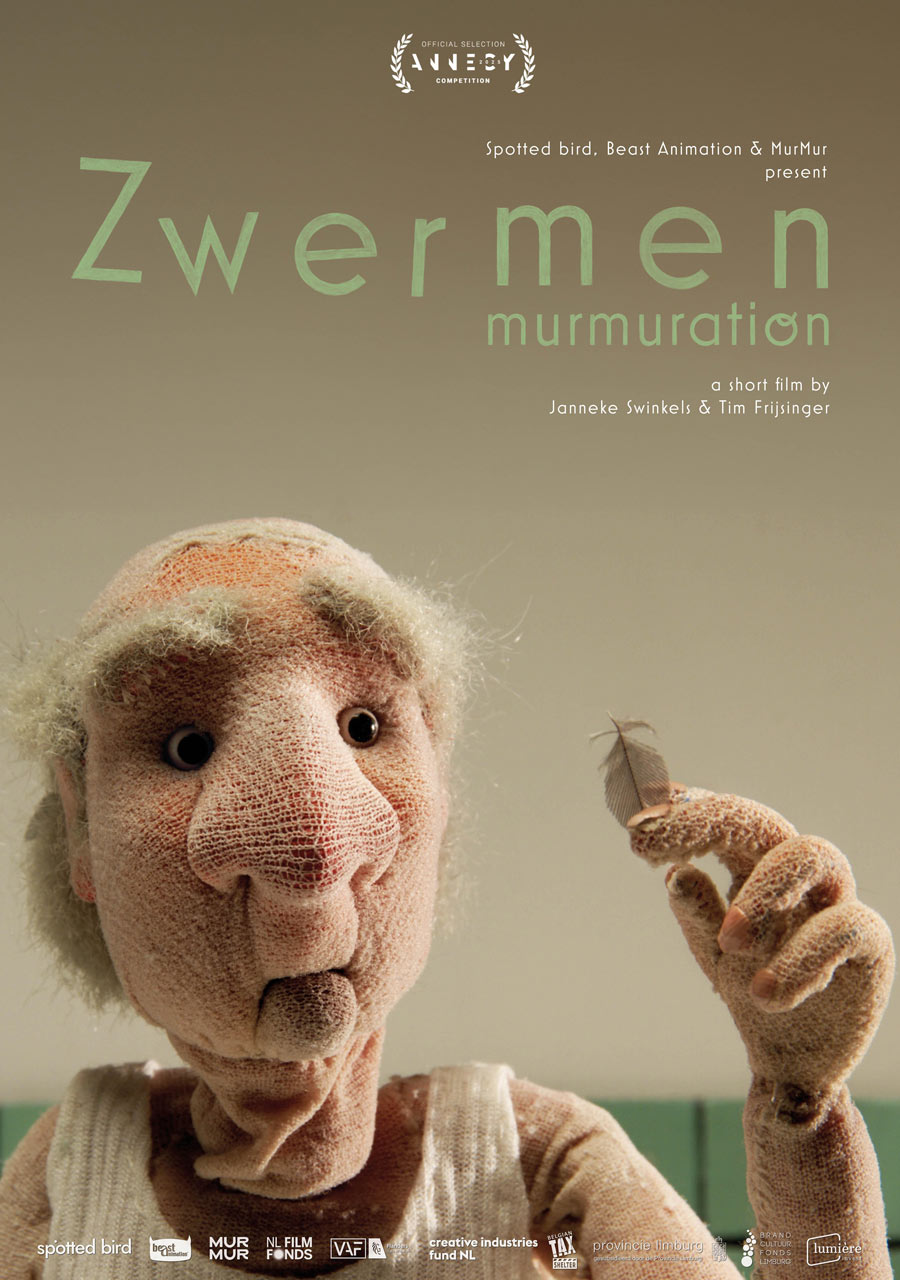
Directors and Authors: Janneke Swinkels and Tim Frijsinger
Main Producer: Spotted Bird (Nethelands)
Co-Producers: Beast Animation (Belgium) and MurMur Animation (Nethelands)
Music composers: Roos Rebergen and Sjoerd Bruil
Running time: 12 minutes 30 sec
Zwermen (English title: Murmuration) is a stop-motion short whose impressive narrative is set against a backdrop of soft visuals and a gentle story world and sparks the imagination. As this film gave me the opportunity to reflect deeply on my own ageing and the end of life, it is sure to invite you to think about something important to you.
It has already received nominations and awards at various international film festivals, including the Jean-Luc Xiberras Award for a First Film at the Annecy International Animated Film Festival 2025 and the Best Animation Short Film Award at the Melbourne International Film Festival 2025.
Interview with Janneke Swinkels and Tim Frijsinger
Hideki Nagaishi (HN): I would like to hear about your motivation for making this film. What did you most aim to portray in the story of the film, and what did you hope to deliver to the audience through this film?
Janneke Swinkels: We just had an idea about an old man changing into a bird. And while it may be a bit straightforward and simple, it also had something relatable and poetic, I think. For us it felt like a good story for a first film. Of course we added some more layers too and we notice that most of the audience makes their own story about it. And that’s exactly what we had in mind.
Tim Frijsinger: For us the film is about acceptance, transformation and letting go, to leave a group and join the next one. But the simple story of the man who changes into a bird still stands as it is.
HN: Where did the initial idea of the film’s story come from?
Janneke Swinkels: When I was making my graduation film Zonder Versnelling (English title: Changing speeds) about my grandfather, I spent a lot of time with him in the nursing home. The quiet pace of life in there was really inspiring. We saw people that did very well in the group, who seemed to love the activities and the participation. While there were also some of them that didn’t want to suddenly join this new group at old age. Others were drifting slowly away from it, mostly because of their mental or physical decline.
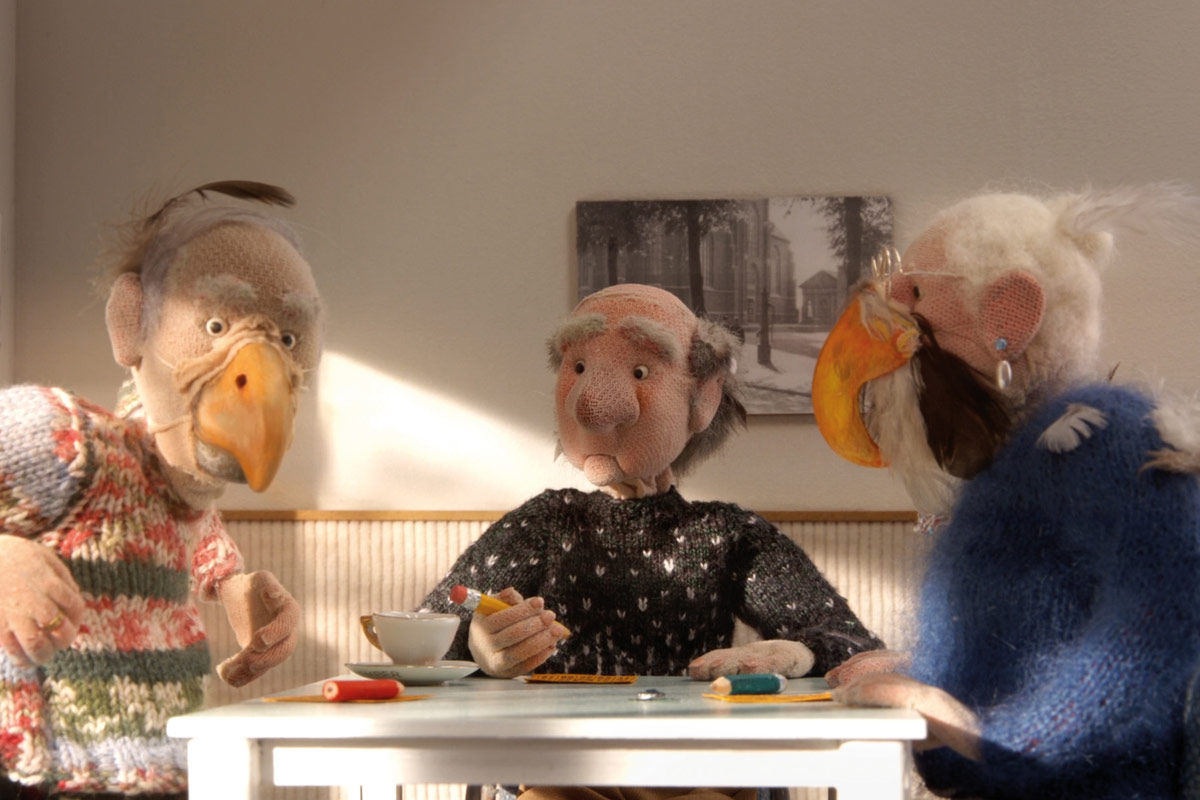
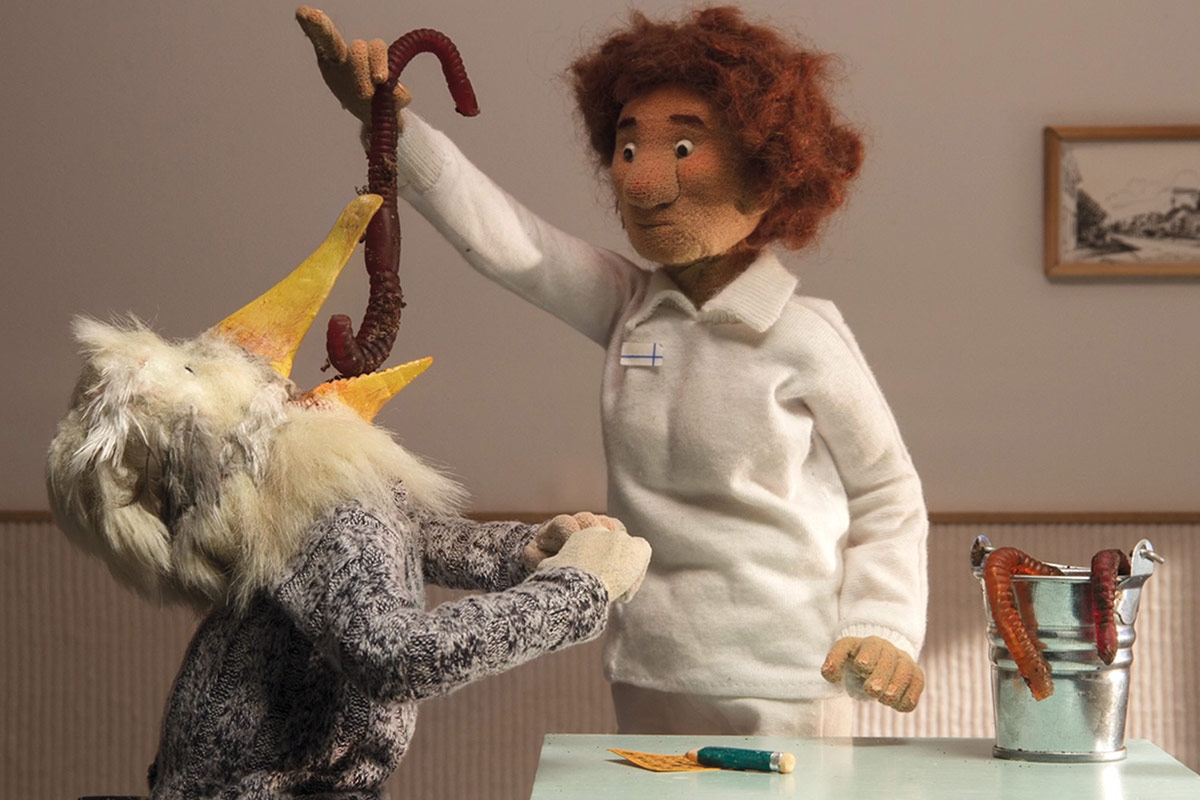
Tim Frijsinger: I was doodling some drawings, old people who looked a little bit like a bird (big noses, and fluffy hair). Some of them I gave wings and I was thinking of how this would be a funny idea for a short animation. Eventually we put both ideas together in one film.
HN: Could you please tell us how you developed the film’s story from the initial idea, and what you paid particular attention to during that creation?
Tim Frijsinger: We wanted to keep the story relatively simple and somewhat light. It’s a theme that could become very sad and dark, but we didn’t want to go that way with it. We didn’t want the film to be overly dramatic but to keep some warmth and humour in it. So that was something we kept in mind during development. Of course it’s an animation, so that helps, but it’s also in the character design and the materials used.
HN: I would like to hear whether there is a particular real-life model for the main character.
Janneke Swinkels: Strangely enough we got stuck in writing because we had my grandfather in mind for the main protagonist. He was not that happy in the care home and found the group activities dreadful. So eventually we had to let that go and make a whole new character who was kind of the opposite of him. Our story needed a protagonist that fit in at first, so that it is more of a loss and struggle for him to leave his group.
HN: I would like to hear about the reason why you decided to depict the film’s story using stop-motion animation. What did you aim to achieve with this choice, and what were the things you could accomplish thanks to the animation technique?
Janneke Swinkels: We always loved puppets and stop-motion films, but we never dared to make something in stop motion because in our work we never had the time or the budget to experiment with it. So, when we were writing this story, we thought it would be a good way to get into stop motion.
Tim Frijsinger: Also, we wanted the film to feel a bit documentary, and for us this stop motion with puppets makes it feel more alive than a more stylized 2D approach.
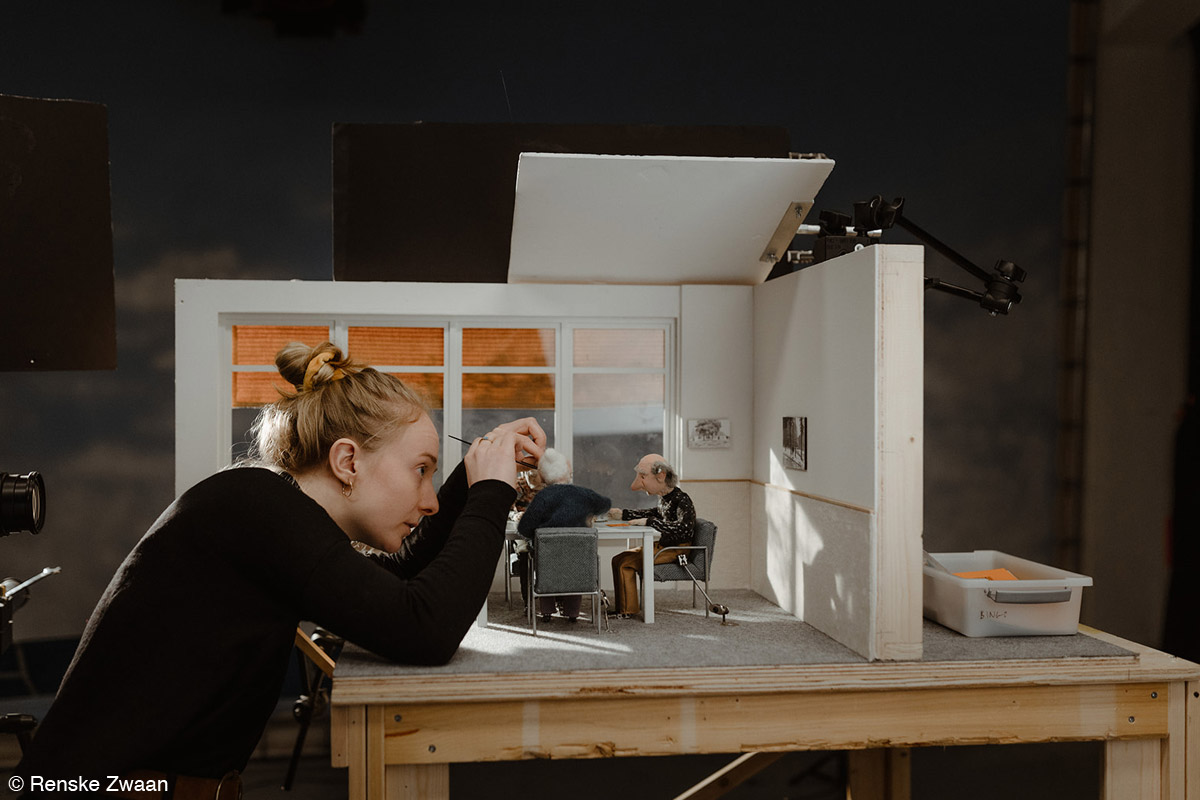
HN: Were there any difficulties or challenges in the overall visual expression of this film? If so, could you please tell us about them, including their technical aspects?
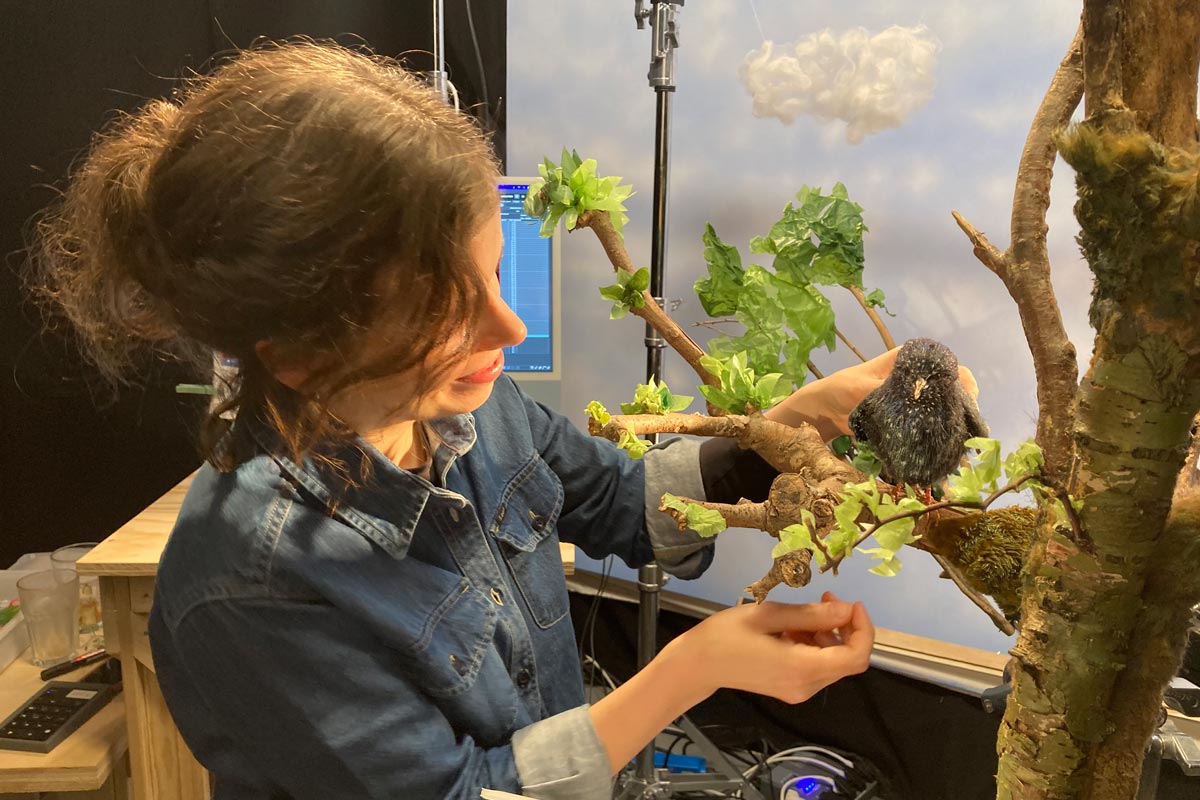
Tim Frijsinger: Yes, there were a lot of challenges. First, we had to convince a producer and the Dutch Film Fund that we could make a 12-minute stop-motion film while we had never done that before. We are not overly confident people by nature, but we knew that with the right team we would manage. So, we sought the help and advice of very experienced people in stop motion. We were very lucky with our DOP, Peter Mansfelt, who immediately was touched by our idea, and we had a fantastic team of animators: Geertrui de Vijlder, Mirjam Plettinx, and Rosanne Janssens.
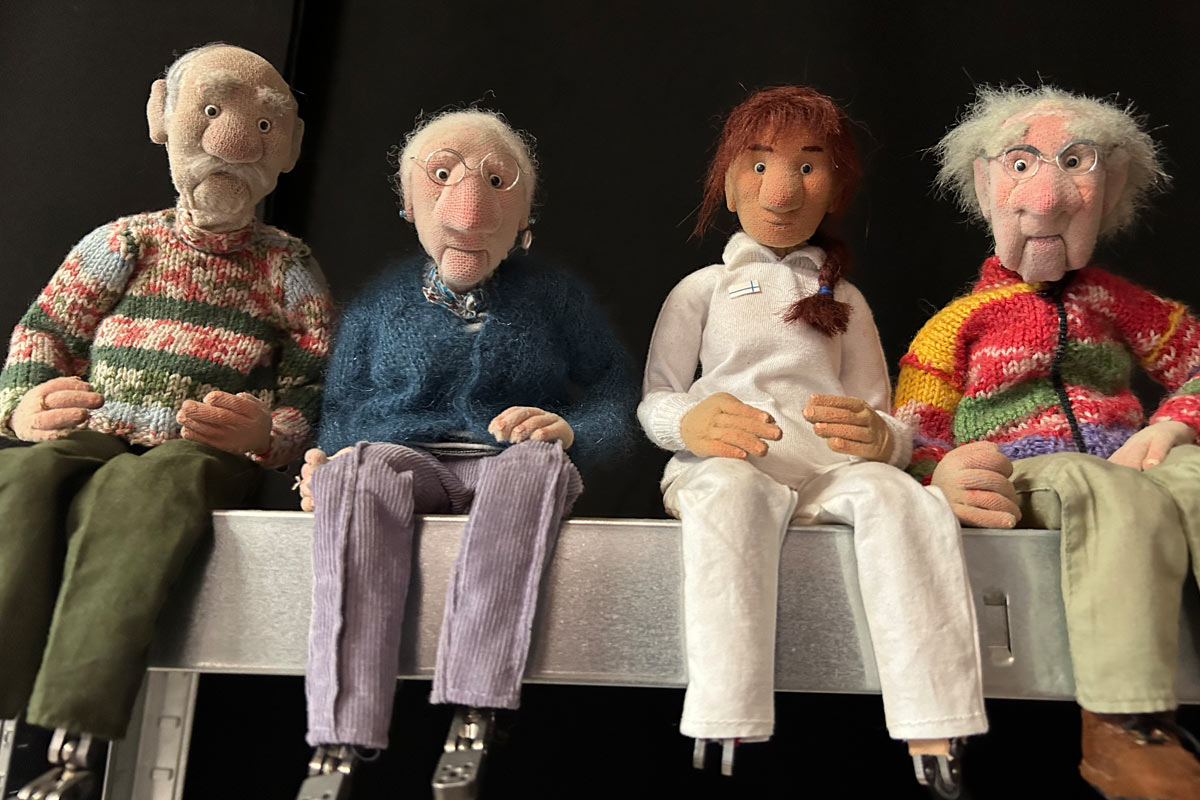
Janneke Swinkels: Also, making puppets and armatures was totally new to us. We were looking for a soft touch, but at the time we were developing Zwermen there were a lot of stop-motion films working with puppets made from wool or felt. But we needed something thinner and more fragile for the elderly skin of the inhabitants of our elderly home. When we discovered stockings as a skin, and that worked very well for our test puppet, we were very pleased! We got our armatures and puppets tested by our animators during the making and got lots of advice from Zaou Vaughan, who also made the bird puppets for our film. As there was limited budget to form a proper building department, we were very lucky with all the advice we got from fellow stop-motion filmmakers. Everyone was so sweet! And we were absolutely blessed with our intern, Mila van Tongeren, who had a lot of knowledge about materials and made some of the characters during her internship with us.
HN: In this film, the background music is deeply integrated into both the story and the images. Could you please let us know the story behind the creation of the music for the film?
Also, in terms of the creative process of this film, did you have the music first, or was the music prepared after the storyboard was completed?
Tim Frijsinger: The music is made by Roos Rebergen and Sjoerd Bruil. They are both in a band called Roosbeef, which is reasonably well known in the Netherlands and Belgium. They were not that experienced in making film music, but we weren’t looking for a classical score, and they wanted to give it a go. We were sure their music would give our film just a little more edge.
Janneke Swinkels: They started making a temporary version of the music for the animatic and we immediately loved what they were doing. Eventually, when the film was done, they recorded the final version of the soundtrack. We are also working with them on our new project, and they made a temporary title song for it, which again gave us goosebumps when we first heard it. They are very talented! You can listen to the soundtrack of Zwermen on Sjoerd Bruil’s Spotify or on Apple Music.