
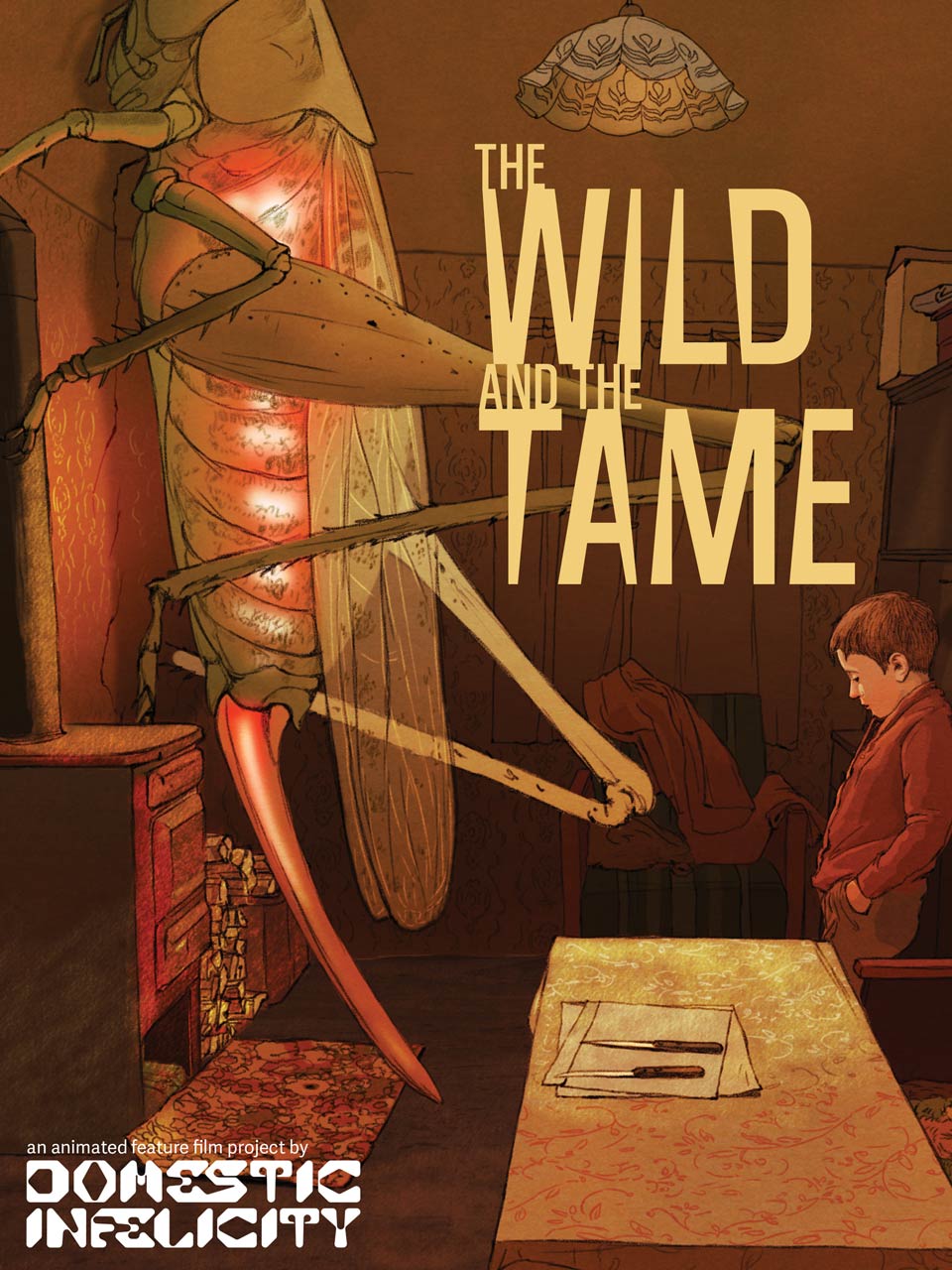
The Wild and the Tame
(Status: in development)
Synopsis
Teó, a 38-year-old painter from Budapest, returns to her village for her mother’s funeral. There, she meets Misi, the former priest who lost an arm in an accident and was removed from his duties after a campaign led by Teó’s mother. Seeking revenge, Misi plans to use the people’s nightmares. Teó, struggling with an artistic block, agrees with Misi to paint the church, unaware that it will be far more difficult than she imagined.
Inspired by the Doom Paintings about the Last Judgment, she begins collecting villagers’ nightmares to paint the walls. Haunted by visions of her mother and her own fears, Teó wrestles with faith, art, and memory. She turns the church into her masterpiece — blending horror, healing, and reckoning, challenging Misi, and herself.
The Wild and the Tame
Directors, Scriptwriters, Authors, Graphic Authors, and Main Producers: Tibor Bánóczki (Domestic Infelicity, Hungary) and Sarolta Szabó (Domestic Infelicity, Hungary)
Target audience: Young adults / Adults
Technique: 2D digital / drawing
Running Time: 94′
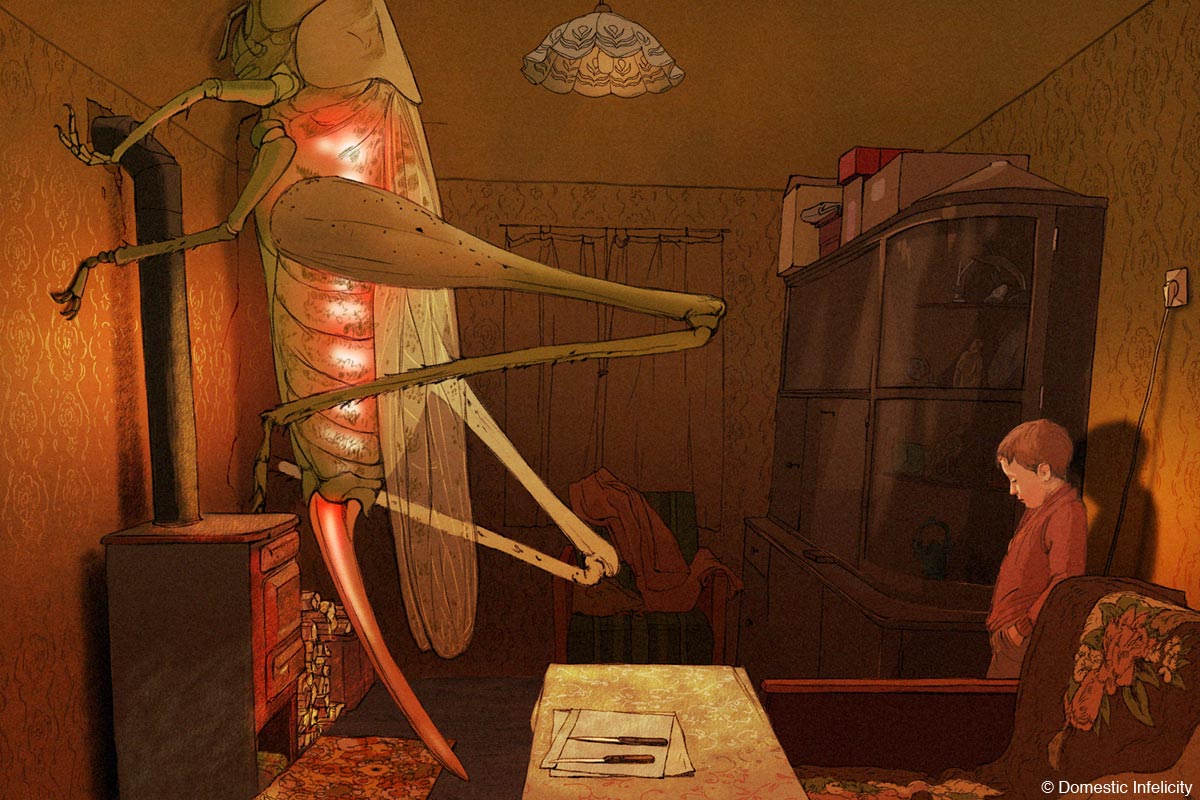
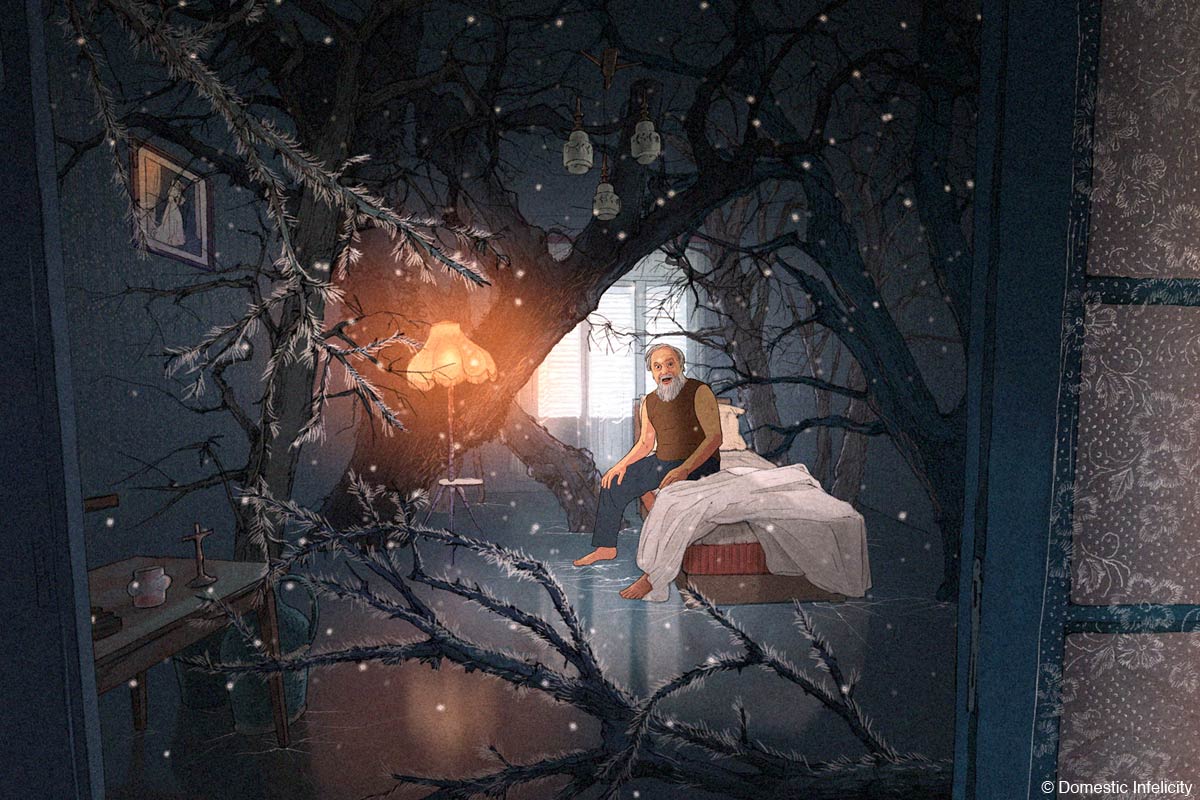
The Wild and the Tame is a beautiful, fragile, and melancholic aesthetic arthouse film project that depicts the lonely Eastern European countryside by visualising the deep layers of the human psyche in a dreamlike and evocative way through animation, one of the most freely expressive and imaginative visual media.
This film project will be the second animated feature film by the Hungarian creative duo Tibor Bánóczki and Sarolta Szabó, who left a striking impression and received high acclaim at numerous international film festivals with their first animated feature film White Plastic Sky for its story and world building.
We interviewed Tibor and Sarolta about the story behind this interesting new film project.
*: You can also read our special interview with Tibor and Sarolta on White Plastic Sky here.
Interview with Tibor Bánóczki and Sarolta Szabó
Hideki Nagaishi (HN): Could you please let us know where the initial idea for the film’s story came from?
Tibor Bánóczki: Our roots are deeply embedded in the Hungarian countryside. We know well what life there can offer, and which superstitions and fears shape the souls of the people who live there.
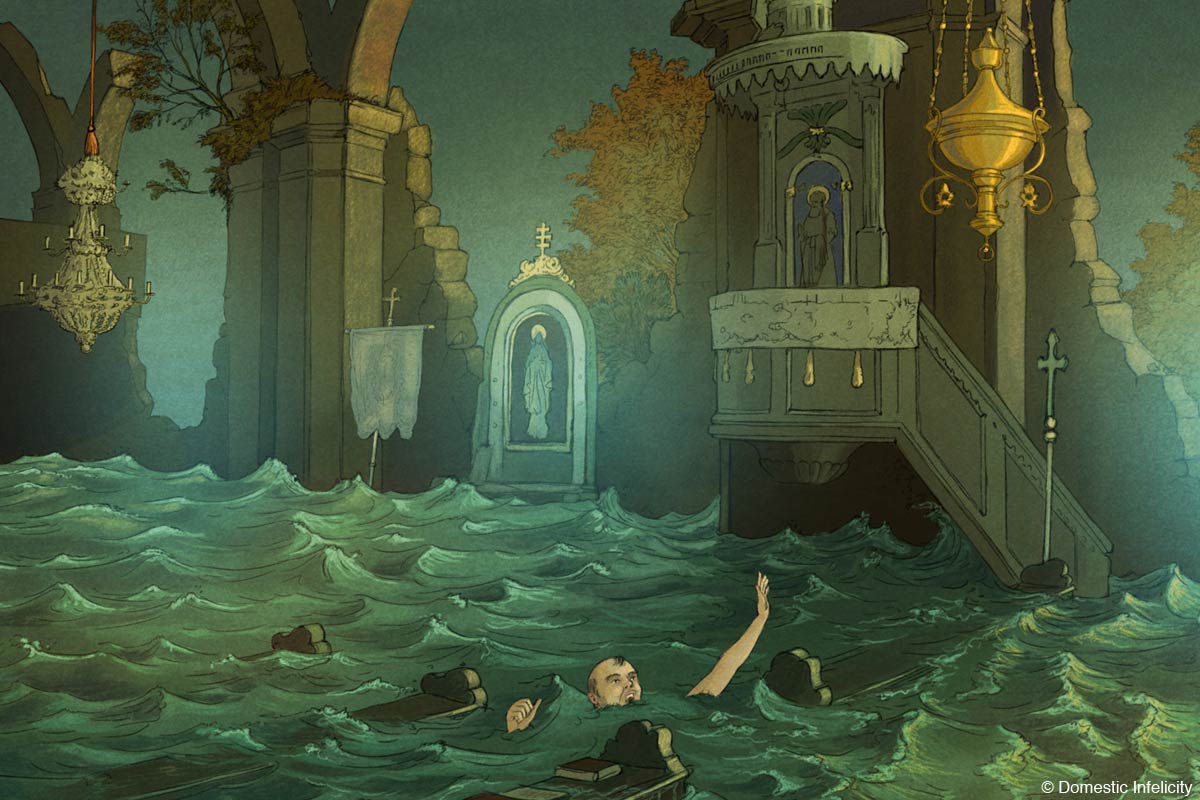
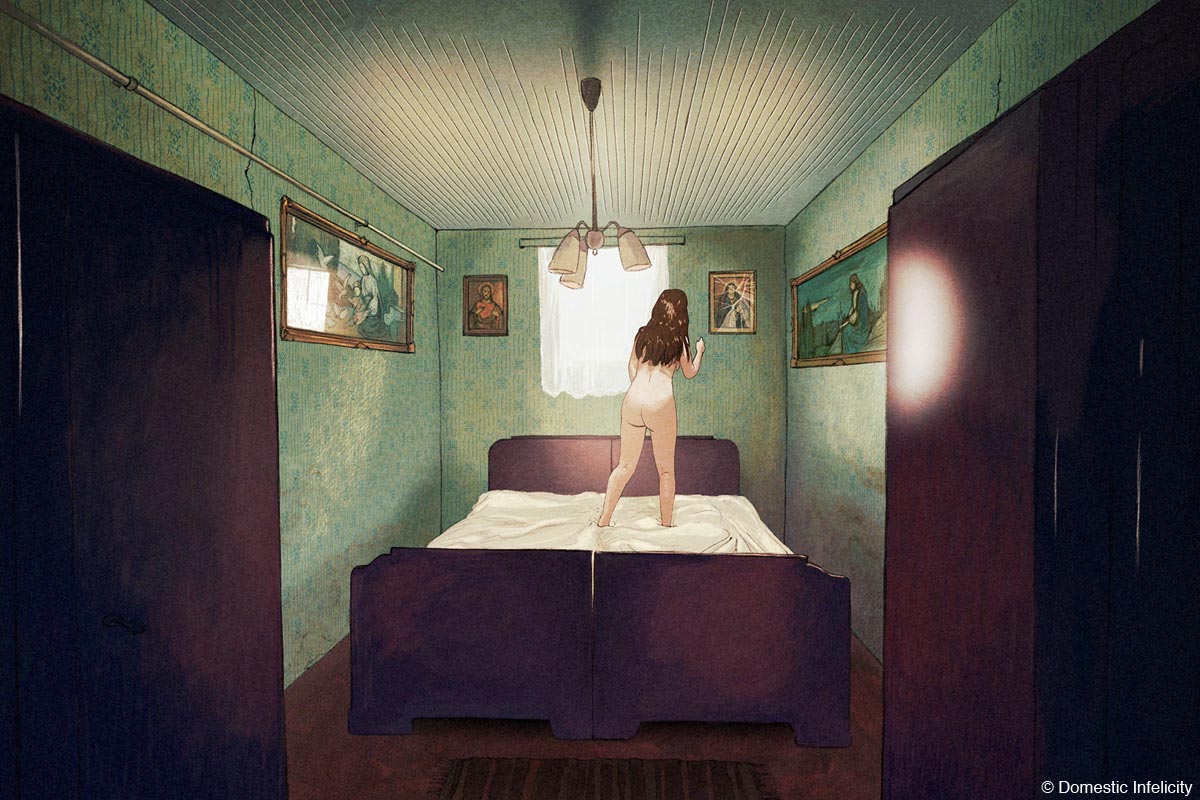
Sarolta Szabó: Crumbling walls, cracked wallpaper, rusting fences, and ever-shrinking windows, hopelessness and lack of opportunities. The countryside has never been as abandoned and lonely as it will be shown in our film.
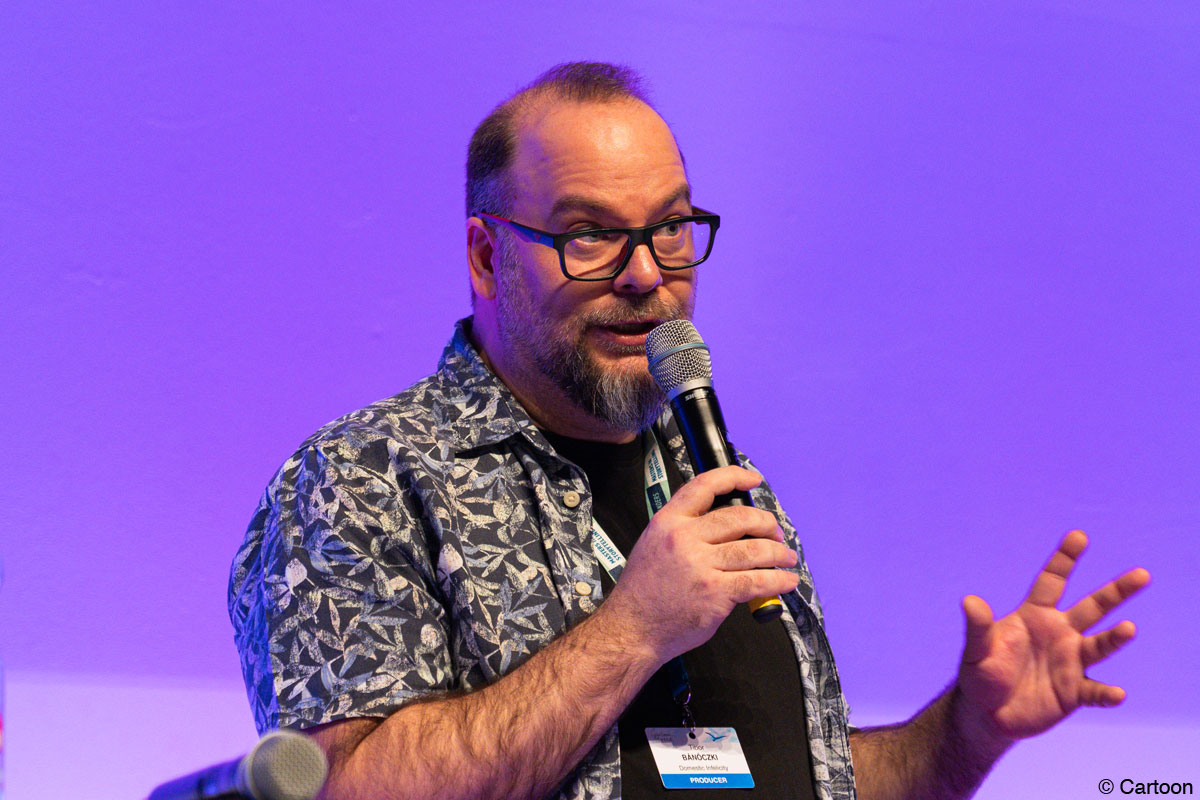
HN: For this film project, both of you are working not only as the directors and writers but also as the main producers. Could you please tell us about the purpose or aim behind your decision to produce the film yourselves? And how has it been so far as producers?
Tibor Bánóczki: The Wild and the Tame is a niche arthouse film and therefore aims to remain a small-scale production. In order to preserve full artistic freedom, we have sought to maintain control over the production possibilities. At this early stage, the animatic and the visuals are currently being developed only by the two of us.
Sarolta Szabó: We hope that, moving forward, we can collaborate with a truly small yet agile team. This project is an experiment shaped by the current realities of both the international and Hungarian film financing landscapes. It arises from necessity, yet within that necessity lies the potential for greater artistic autonomy and renewal.
HN: What are you taking care of the most, and what is challenging during the development of the film’s story?
Tibor Bánóczki: For us, the animatic has always been a sketch—a living blueprint of the film. It lets us map out each scene on screen, experiment freely, and reshape the story before stepping into final production. It’s a rehearsal stage and we enjoy embracing improvisation throughout this process.
Sarolta Szabó: We are approaching the film in an intentionally unorthodox way. By assembling the animatic early on, we give ourselves space to explore, experiment, and shape the cinematic structure. This process is especially vital for a story rich in surreal elements, allowing them to unfold naturally and become fully embedded within the narrative.
HN: Could you please let us know the key points of the visual design for the characters and the story universe of the film?
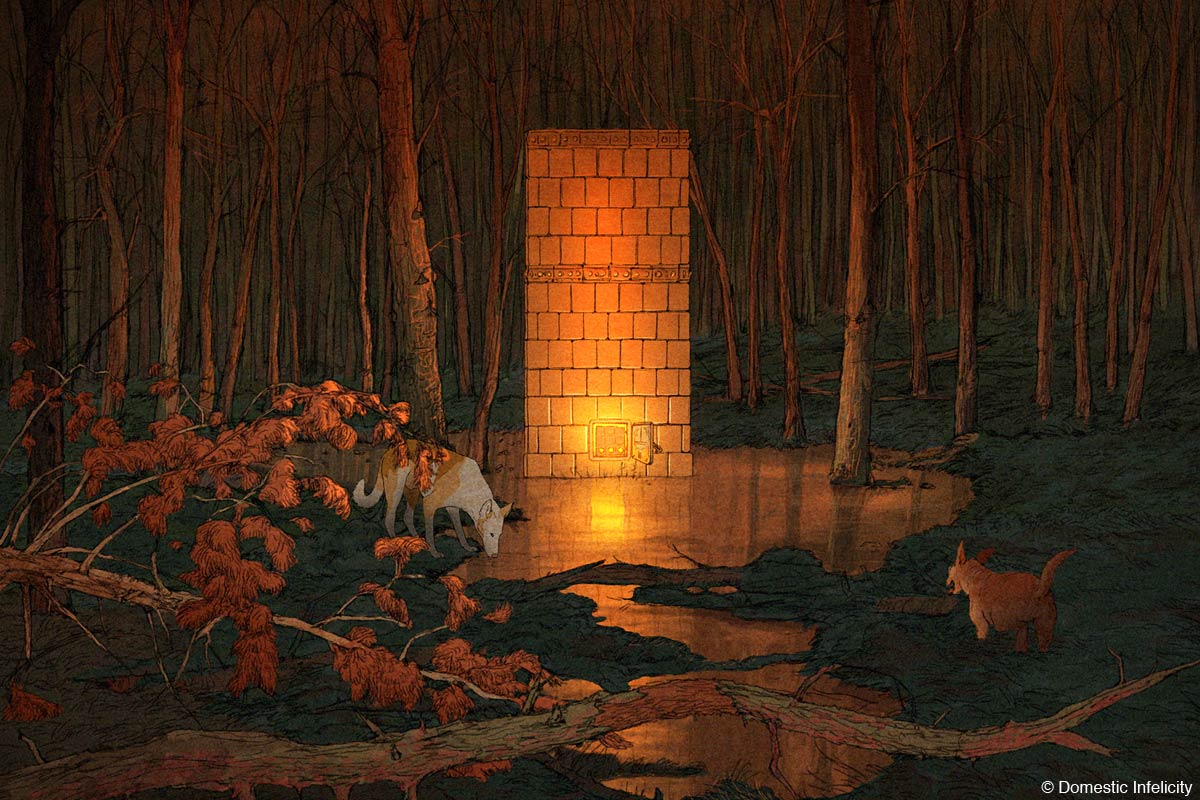
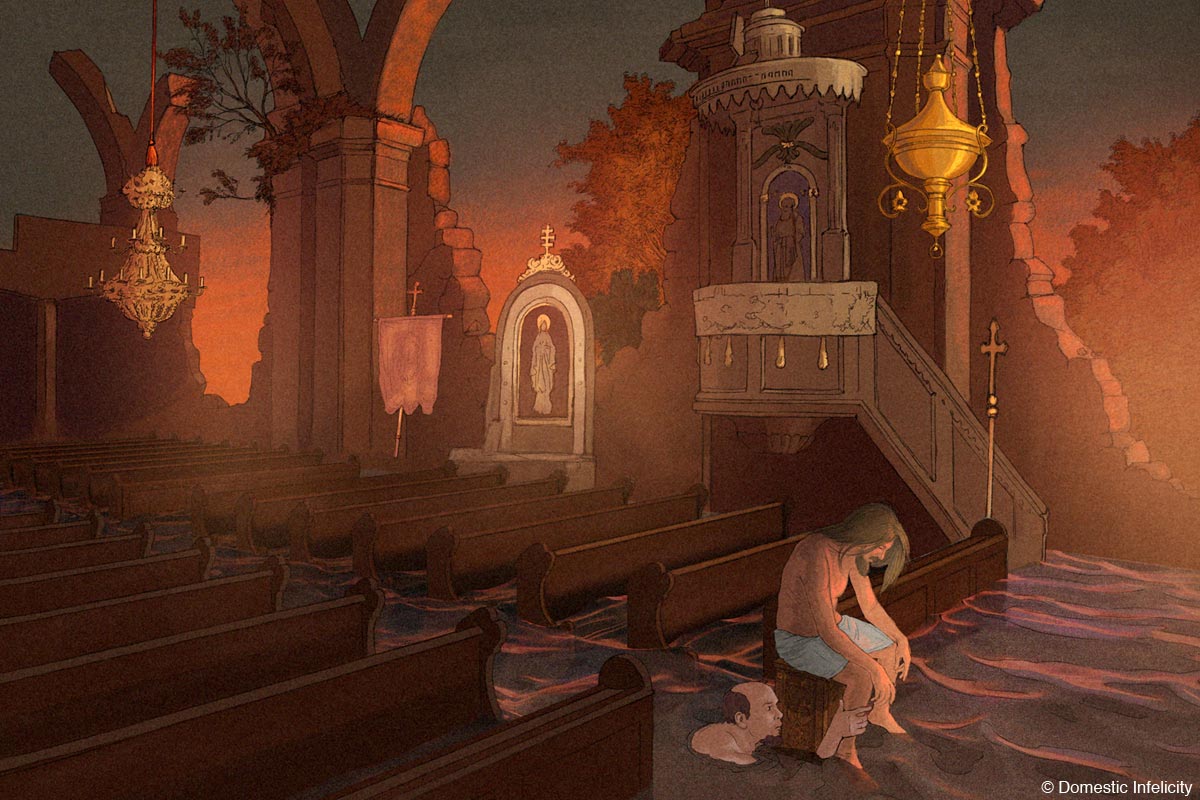
Tibor Bánóczki: Cinematographically, we aim to create suffocating spaces with painterly, rich colors and immersive moods that draw the viewer in.
Sarolta Szabó: We envision the film as a fully digital, hand-drawn animation, though the character animation style remains open as it will largely depend on the budget.
HN: Regarding the film’s music, do you have anything you can share with us at this point?
Tibor Bánóczki: It’s too early to share anything, although we have begun working with our composer, Christopher White, who scored all of our previous films such as White Plastic Sky.
Sarolta Szabó: In the music, we definitely want to combine the sacred and the profane, the ancient and the modern, as the film will also be influenced by a variety of genres.